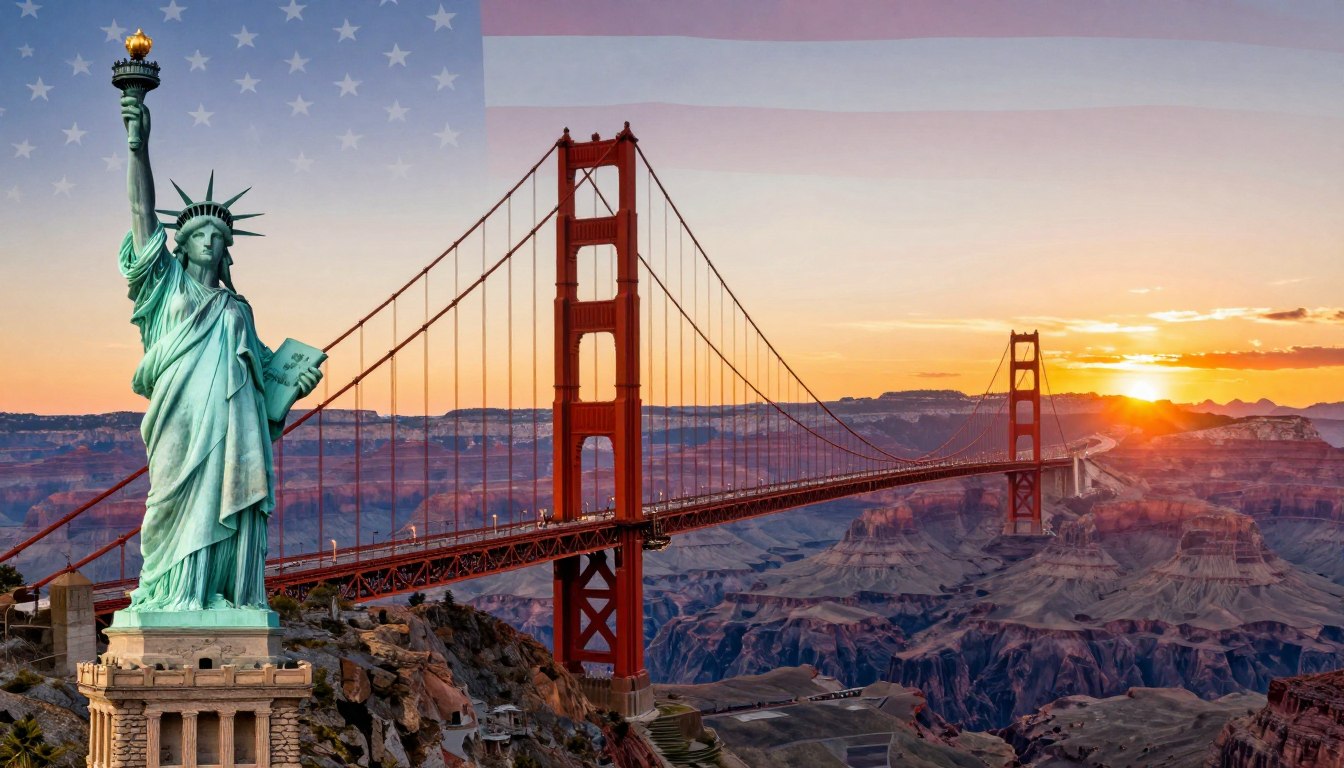
The United States of America stands as one of the world’s most diverse and captivating travel destinations, offering experiences that range from the glittering skyline of New York City to the serene wilderness of Yellowstone National Park. When you travel USA, you’re not just visiting one country—you’re exploring dozens of distinct regions, each with its own character, culture, and natural wonders. From the sun-soaked beaches of California to the historic streets of Boston, from the jazz-filled nights of New Orleans to the dramatic vistas of the Rocky Mountains, America delivers unforgettable moments at every turn.
This comprehensive guide will walk you through everything you need to know to plan the perfect American adventure. Whether you’re dreaming of a classic road trip along Route 66, seeking outdoor thrills in the nation’s spectacular national parks, or hoping to experience the energy of world-class cities, this article provides the insights, tips, and practical information to transform your travel dreams into reality.
Ready to Explore America?
Start planning your perfect USA adventure with our interactive trip planner. Discover destinations, build itineraries, and find the best deals all in one place.
Planning Your USA Travel Adventure
Successful travel to the United States begins with thorough planning. The country’s vast geography, diverse climate zones, and endless attractions require careful consideration to maximize your experience. This section covers essential planning elements to help you prepare for your journey across America.
Best Time to Visit Different USA Regions
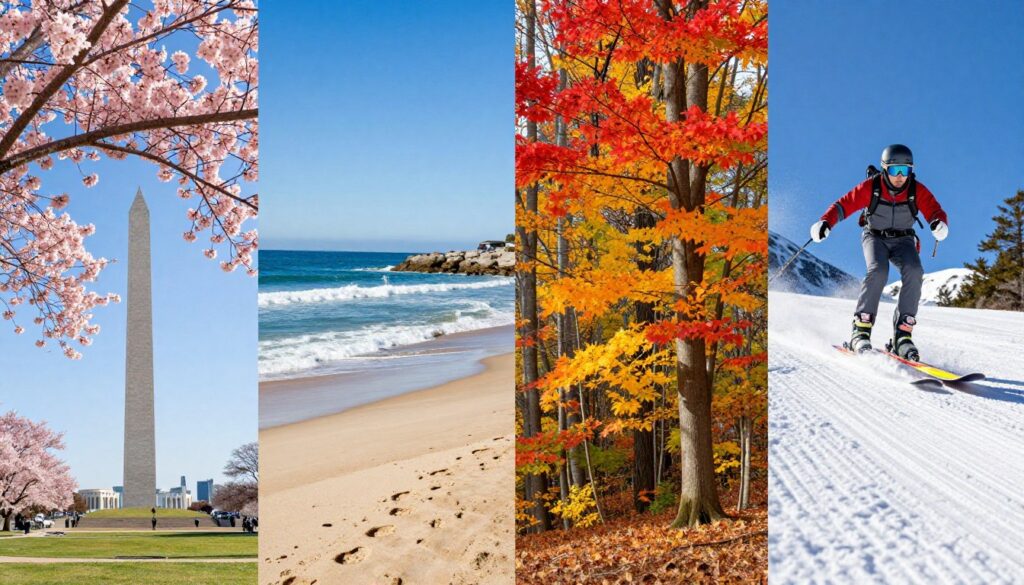
The United States experiences dramatic seasonal variations across its regions, making timing crucial for an optimal travel experience. Understanding when to visit each area can mean the difference between perfect conditions and challenging weather.
Spring (March to May)
Spring brings renewal across America, making it an excellent time for travel to many destinations. Cherry blossoms bloom in Washington D.C., wildflowers carpet California’s hills, and mild temperatures make city exploration comfortable.
- East Coast cities like New York and Boston emerge from winter with pleasant weather
- Southern states offer warm days without summer’s intense heat
- National parks begin opening after winter closures
- Shoulder season pricing provides good value
Summer (June to August)
Summer represents peak travel season across most of the United States. Families vacation during school breaks, beaches reach capacity, and outdoor activities flourish in northern regions.
- Pacific Northwest enjoys its warmest, driest weather
- Alaska becomes accessible with extended daylight hours
- Beach destinations from Florida to California attract sun-seekers
- Expect higher prices and larger crowds at major attractions
Fall (September to November)
Autumn transforms America into a spectacular canvas of colors, particularly in New England and the mountain regions. Many consider this the ideal season for USA travel.
- New England’s fall foliage creates stunning landscapes
- Southwest national parks offer comfortable temperatures
- Harvest festivals and cultural events abound
- Post-summer crowds diminish while weather remains pleasant
Winter (December to February)
Winter divides America into distinct travel zones: snowy northern regions perfect for skiing and cozy southern destinations ideal for escaping cold weather.
- Florida, Arizona, and Southern California offer warm winter refuge
- Mountain resorts in Colorado, Utah, and Vermont provide world-class skiing
- Cities like New York dazzle with holiday decorations
- Off-season rates make luxury accommodations more accessible
Visa and Entry Requirements for International Visitors
Understanding entry requirements is essential for international travelers planning to visit the United States. The documentation you need depends on your nationality and the purpose of your visit.
Visa Waiver Program (ESTA)
Citizens from 40 participating countries can travel to the United States for tourism or business stays of 90 days or less without obtaining a visa. Instead, they must apply for authorization through the Electronic System for Travel Authorization (ESTA) at least 72 hours before departure. The ESTA costs $21 and remains valid for two years or until your passport expires, whichever comes first.
Travelers who don’t qualify for the Visa Waiver Program must apply for a B-2 tourist visa at a U.S. embassy or consulate. This process involves completing an online application, paying a fee, and attending an interview. Processing times vary by location, so apply well in advance of your planned travel dates.
Important: Having a valid visa or ESTA doesn’t guarantee entry to the United States. Border agents make final admission decisions. Be prepared to show proof of onward travel, sufficient funds, and ties to your home country.
Budgeting for Your USA Trip
The United States accommodates travelers across all budget ranges, from backpackers to luxury seekers. Understanding typical costs helps you plan realistically and avoid financial surprises during your journey.
Budget Travel ($50-100/day)

- Hostels or budget motels ($25-50/night)
- Fast food, food trucks, and grocery stores
- Public transportation and walking
- Free attractions and national parks
- Occasional splurges on signature experiences
Mid-Range Travel ($150-300/day)

- Mid-range hotels or vacation rentals ($80-150/night)
- Mix of restaurants and home-cooked meals
- Rental car or mix of transport options
- Paid attractions and guided tours
- Comfortable experiences without luxury pricing
Luxury Travel ($400+/day)

- Upscale hotels and resorts ($200+/night)
- Fine dining and celebrity chef restaurants
- Private tours and exclusive experiences
- Premium rental cars or private drivers
- VIP access and concierge services
Transportation Options Across America
Getting around the United States requires strategic planning due to the country’s size and the varying quality of public transportation infrastructure. Your choice of transportation significantly impacts your budget, flexibility, and overall experience.

Domestic Flights
Air travel represents the most efficient way to cover America’s vast distances. The United States boasts the world’s largest domestic flight network, with major airlines offering extensive connections between cities. Budget carriers like Southwest, Spirit, and Frontier provide economical options for price-conscious travelers, while legacy carriers like Delta, American, and United offer more comprehensive route networks and services.
Booking flights well in advance typically yields the best prices, though last-minute deals occasionally surface. Tuesday and Wednesday flights often cost less than weekend departures. Consider positioning flights to secondary airports near major cities—they sometimes offer significant savings compared to primary hubs.
Rental Cars and Road Trips
Renting a car provides unmatched freedom to explore America at your own pace, especially when visiting national parks, small towns, and rural areas with limited public transportation. All major car rental companies operate at airports and city centers across the country.
Insider Tip: Book rental cars directly through company websites rather than third-party aggregators for better customer service and easier modifications. Join loyalty programs for free upgrades and faster service. Consider renting from off-airport locations to avoid airport surcharges, sometimes saving 20-30%.
International visitors should note that rental car drivers must be at least 25 years old (younger drivers face surcharges), possess a valid driver’s license, and carry a credit card for deposits. Insurance options can be confusing—check whether your home auto insurance or credit card provides rental car coverage before purchasing additional protection.
Amtrak Train Travel
Amtrak, America’s national passenger rail service, offers a romantic and leisurely way to experience the country’s diverse landscapes. While not as extensive or efficient as European rail systems, certain routes provide spectacular journeys through regions difficult to appreciate from highways or airplanes.
Iconic routes include the California Zephyr from Chicago to San Francisco (crossing the Rocky Mountains), the Coast Starlight along the Pacific coast from Seattle to Los Angeles, and the Empire Builder through the northern states to the Pacific Northwest. Long-distance trains feature dining cars, observation lounges, and sleeping compartments that transform travel into part of the adventure.
Find Your Perfect USA Travel Deals
Compare flights, rental cars, and accommodation packages to get the best value for your American adventure. Search across hundreds of providers to find deals tailored to your budget and preferences.
Top USA Destinations and Must-Visit Places
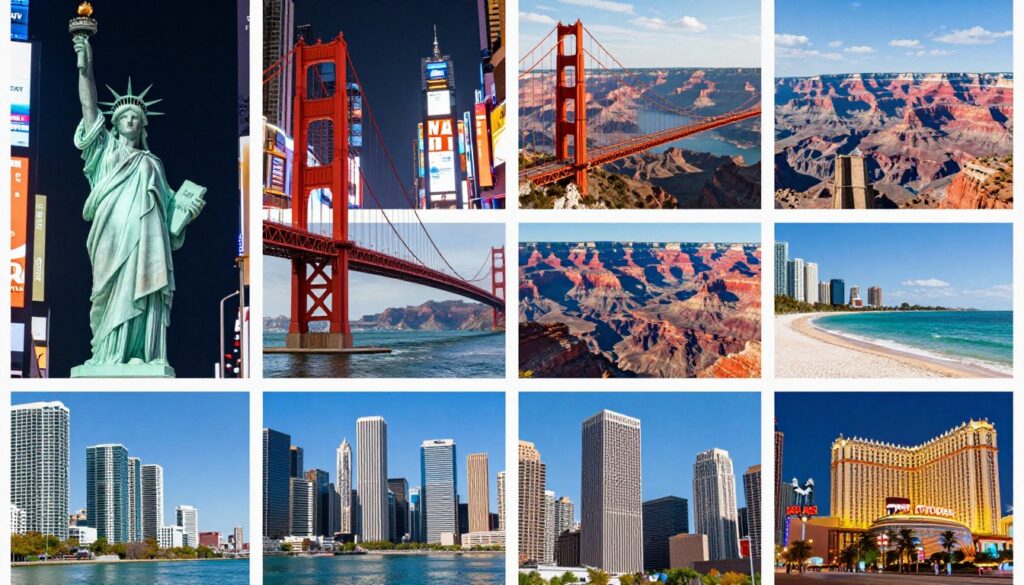
From coast to coast, the United States offers an extraordinary variety of destinations, each with distinctive character and attractions. This curated selection showcases the diversity of American travel experiences, from pulsating metropolises to natural wonders that inspire awe.
Iconic East Coast Cities
The East Coast represents America’s historical heart, where colonial heritage meets modern innovation. These cities shaped the nation’s identity and continue to define its cultural landscape.

New York City, New York
The city that never sleeps stands as America’s most populous and arguably most exciting metropolis. New York delivers an sensory overload of culture, cuisine, entertainment, and energy unlike anywhere else on Earth. From the iconic Statue of Liberty to the bright lights of Times Square, from world-class museums to diverse neighborhoods, NYC offers endless exploration.
Don’t Miss: Central Park, Metropolitan Museum of Art, Brooklyn Bridge, Broadway shows, 9/11 Memorial, Greenwich Village, and authentic pizza in Brooklyn.
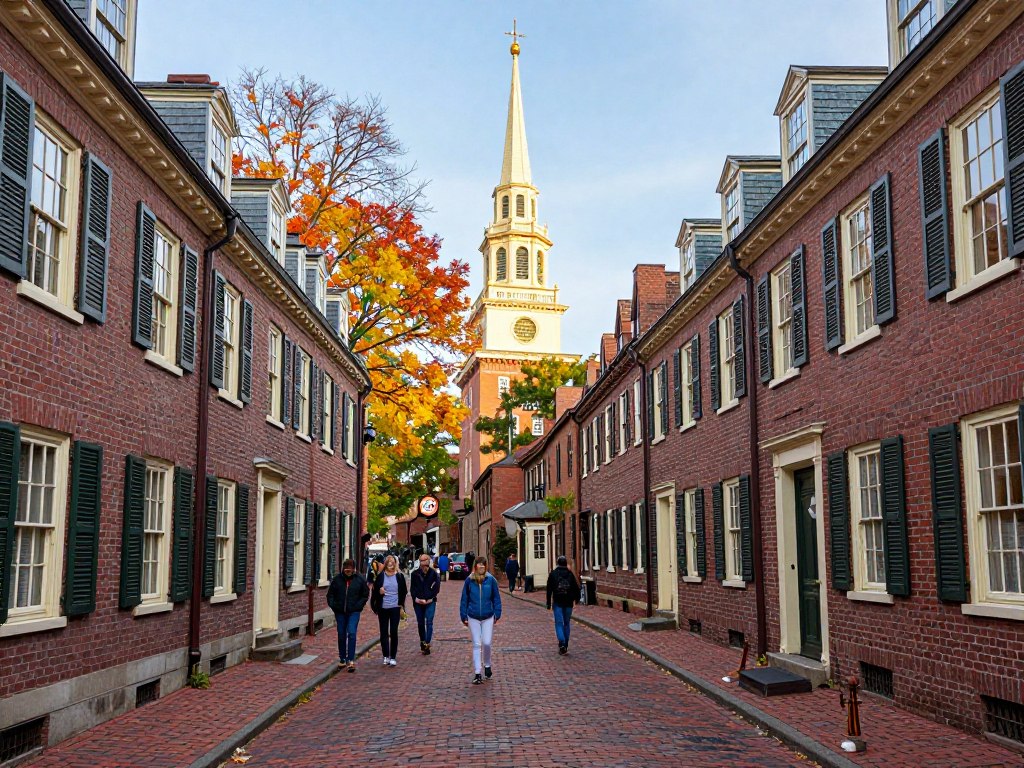
Boston, Massachusetts
Boston blends Revolutionary War history with academic prestige and modern innovation. Walk the Freedom Trail past sites where America’s independence took root, explore world-renowned universities, and experience New England charm in one of the nation’s most walkable cities.
Don’t Miss: Freedom Trail, Fenway Park, Harvard University, Boston Harbor, New England Aquarium, and fresh seafood in the North End.
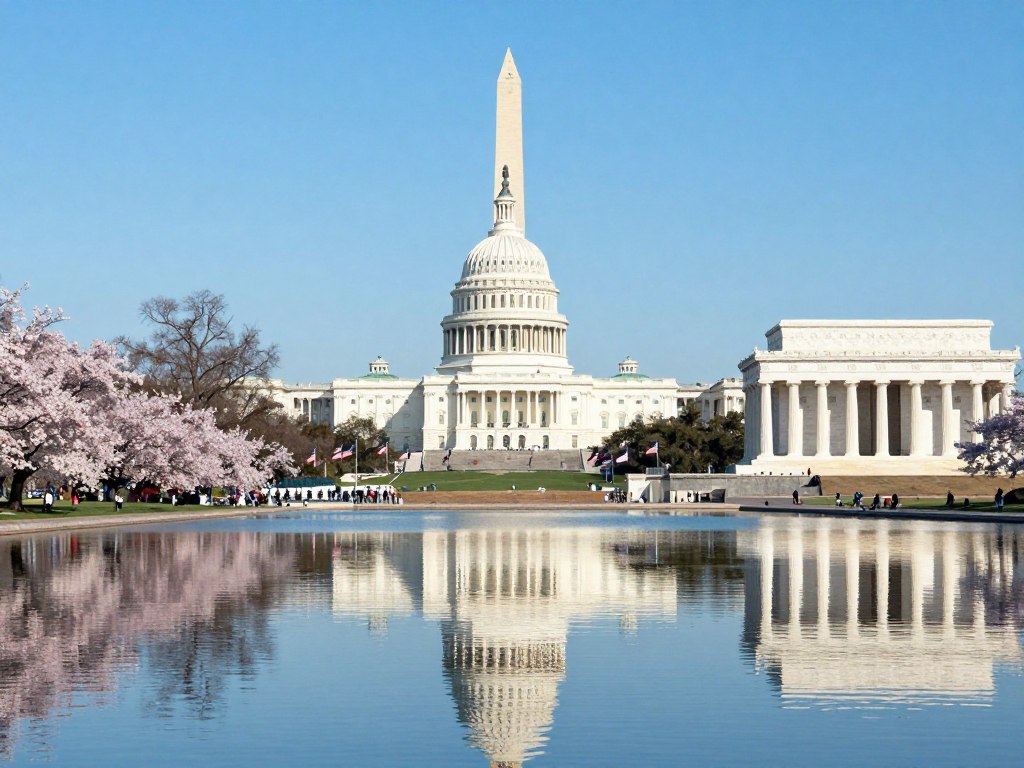
Washington, D.C.
The nation’s capital offers free access to an unparalleled concentration of museums, monuments, and government buildings. Beyond politics, D.C. surprises visitors with vibrant neighborhoods, international cuisine, and green spaces that make it highly livable.
Don’t Miss: Smithsonian Museums, National Mall monuments, Capitol Building tours, Georgetown neighborhood, and the Kennedy Center.
Vibrant West Coast Cities
The Pacific Coast brings a distinctly different energy to American travel—more laid-back, innovative, and connected to natural surroundings. These cities pioneered movements in technology, entertainment, and environmental consciousness.
San Francisco, California
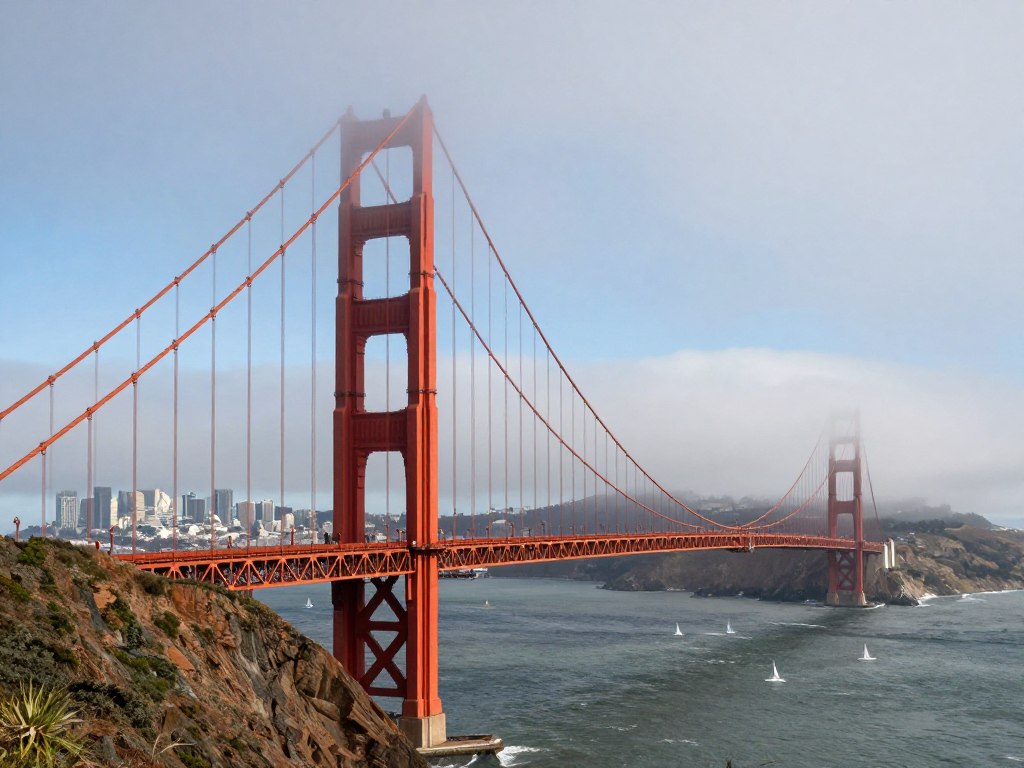
San Francisco captivates with its hilly streets, historic cable cars, and progressive spirit. The city combines Victorian architecture, tech innovation, world-class dining, and natural beauty in a compact, walkable area surrounded by water on three sides.
Don’t Miss: Golden Gate Bridge, Alcatraz Island, Fisherman’s Wharf, cable car rides, Mission District murals, and neighborhoods like Haight-Ashbury and North Beach.

Los Angeles, California
Los Angeles sprawls across Southern California as the entertainment capital of the world. Beyond Hollywood glamour, LA offers diverse neighborhoods, world-class museums, incredible food scenes, and beaches that stretch for miles along the Pacific.
Don’t Miss: Hollywood Walk of Fame, Santa Monica Pier, Getty Center, Griffith Observatory, Venice Beach, and studio tours at Universal or Warner Bros.
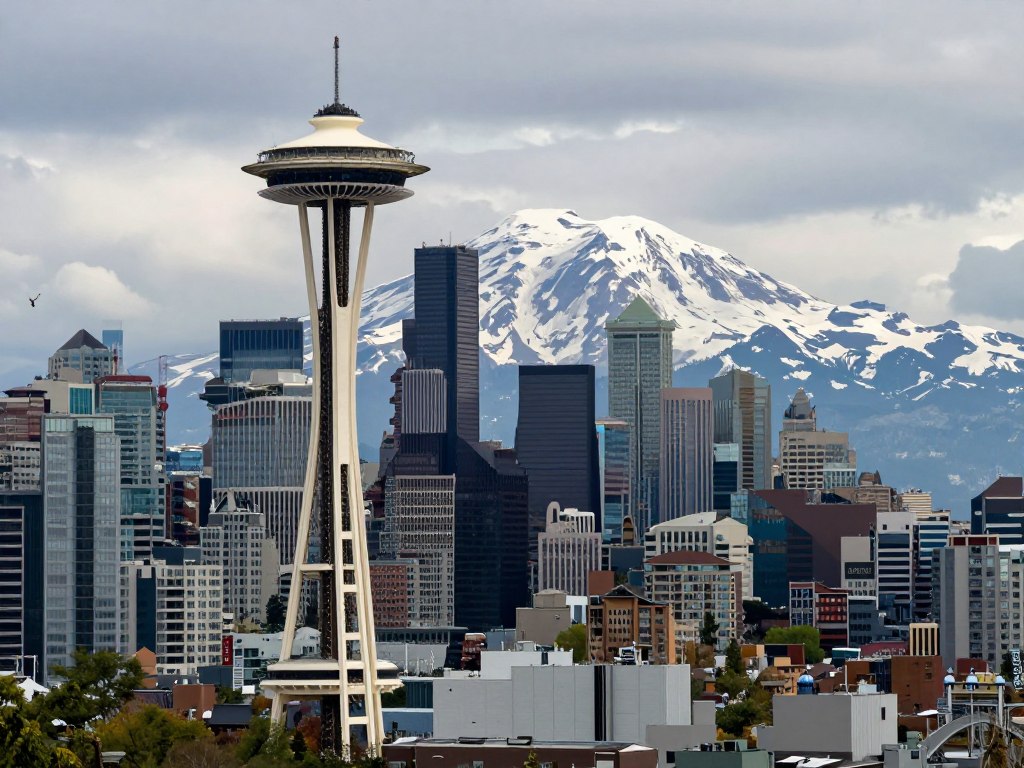
Seattle, Washington
Seattle blends urban sophistication with outdoor adventure opportunities. The birthplace of grunge music, coffee culture, and tech giants like Amazon and Microsoft offers a unique Pacific Northwest experience where mountains meet the sea.
Don’t Miss: Pike Place Market, Space Needle, Museum of Pop Culture, waterfront, and day trips to nearby mountains and islands.
Southern Charm and Culture
The American South offers rich history, distinctive cuisine, musical heritage, and legendary hospitality. These destinations showcase regional traditions that define Southern culture while embracing modern growth and diversity.
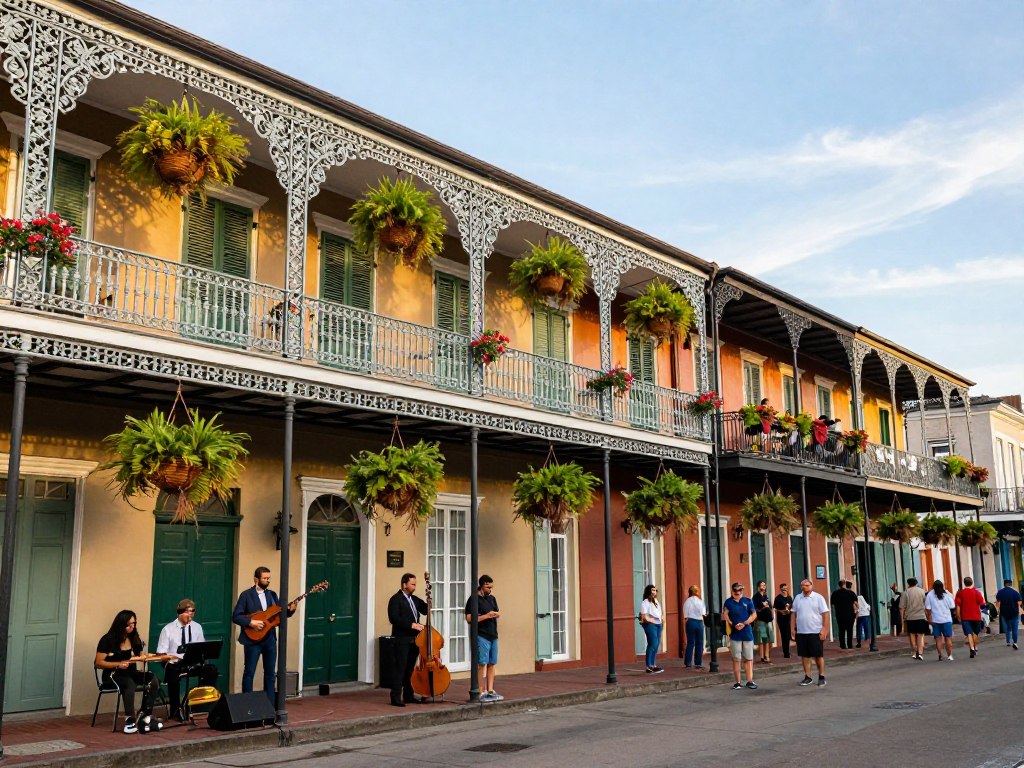
New Orleans, Louisiana
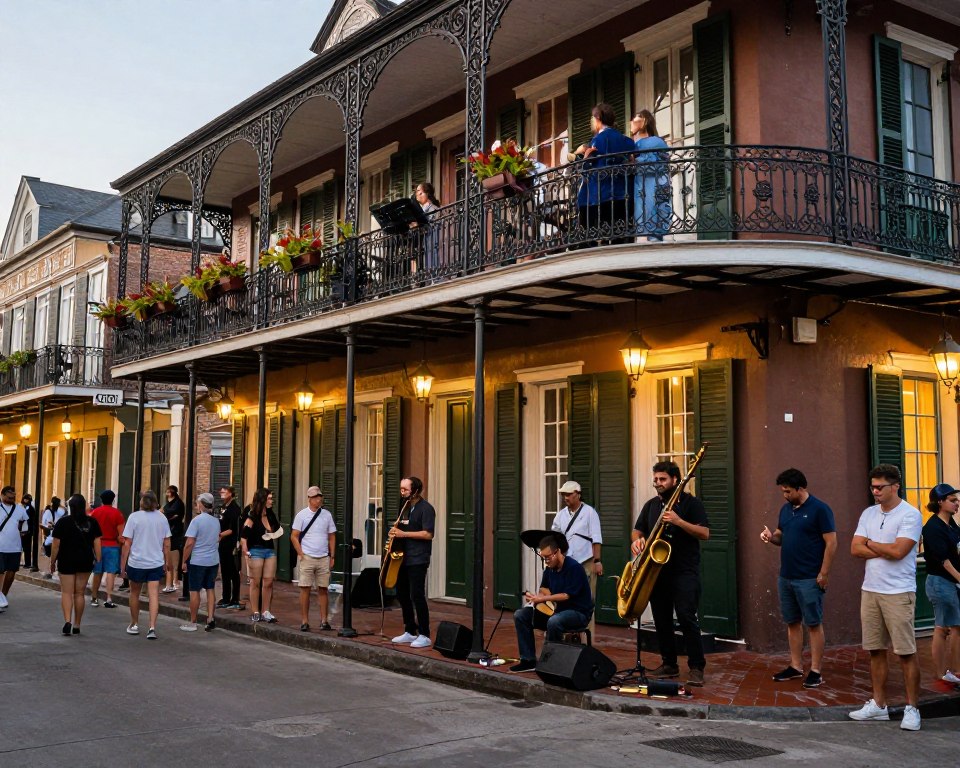
New Orleans pulses with music, flavor, and celebration unlike anywhere else in America. French, Spanish, African, and Caribbean influences blend into a distinctive Creole culture famous for jazz, incredible cuisine, and festivals that transform city streets into massive parties.
Don’t Miss: French Quarter, live jazz on Frenchmen Street, beignets at Café du Monde, Garden District mansions, and authentic Creole and Cajun cuisine.
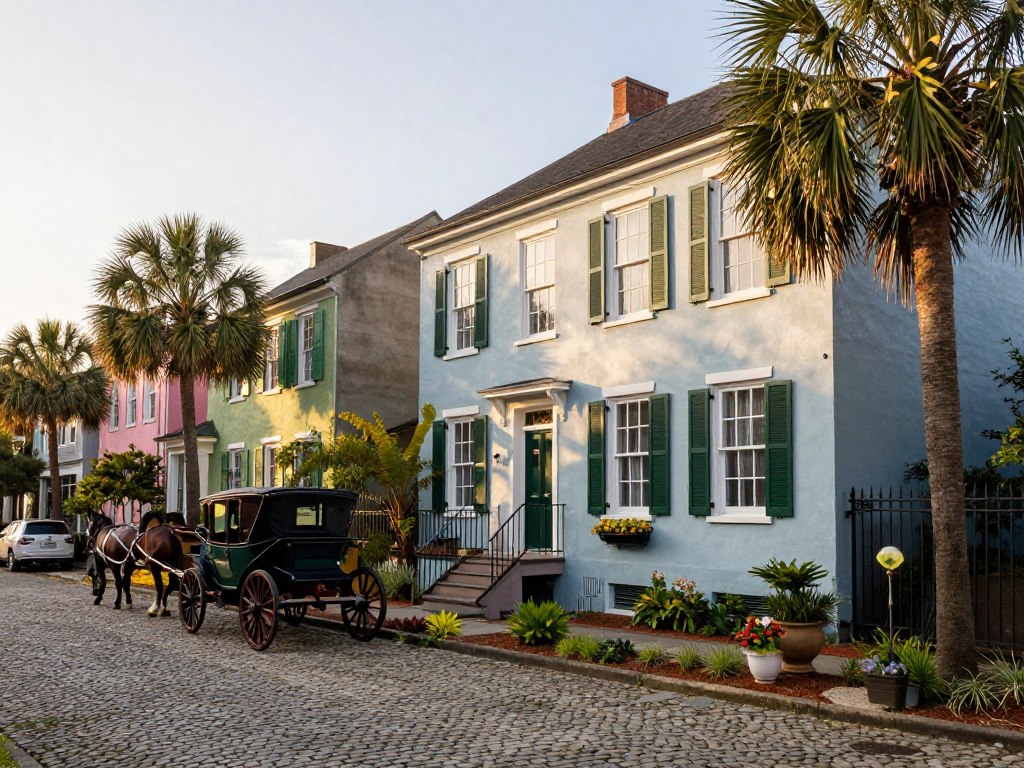
Charleston, South Carolina
Charleston consistently ranks among America’s most beautiful cities, preserving centuries-old architecture while cultivating a sophisticated culinary scene. Moss-draped oaks, antebellum mansions, and waterfront views create an atmosphere of refined Southern elegance.
Don’t Miss: Historic District walking tours, Rainbow Row, Middleton Place plantation, Fort Sumter, acclaimed restaurants, and nearby beaches.
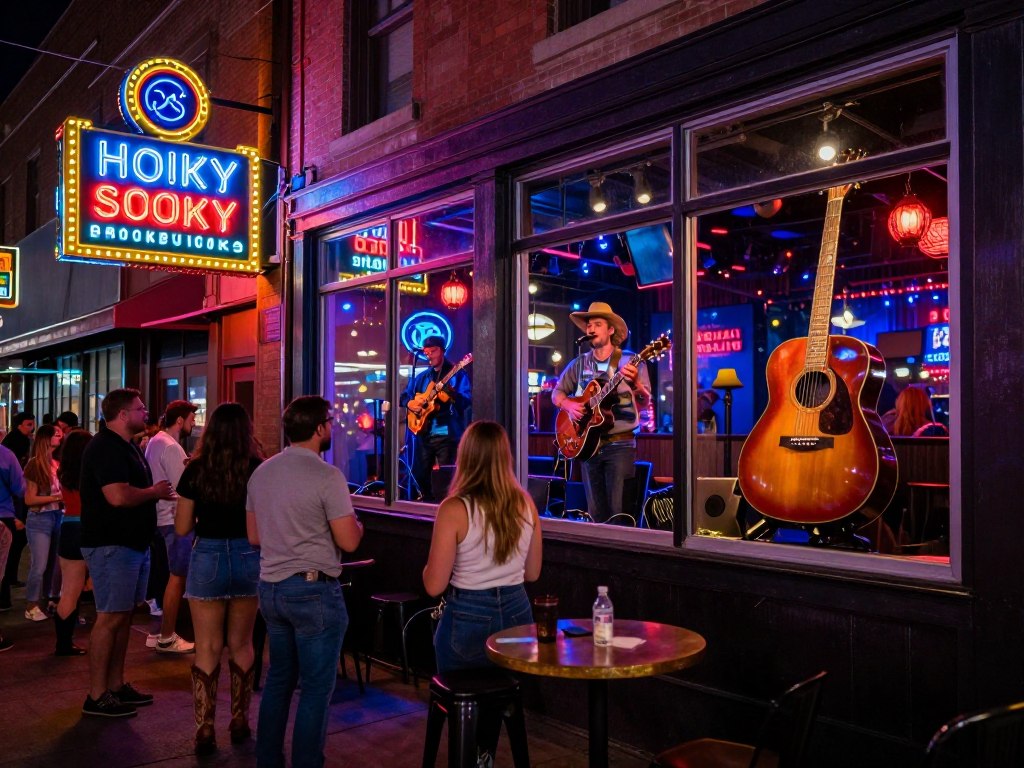
Nashville, Tennessee
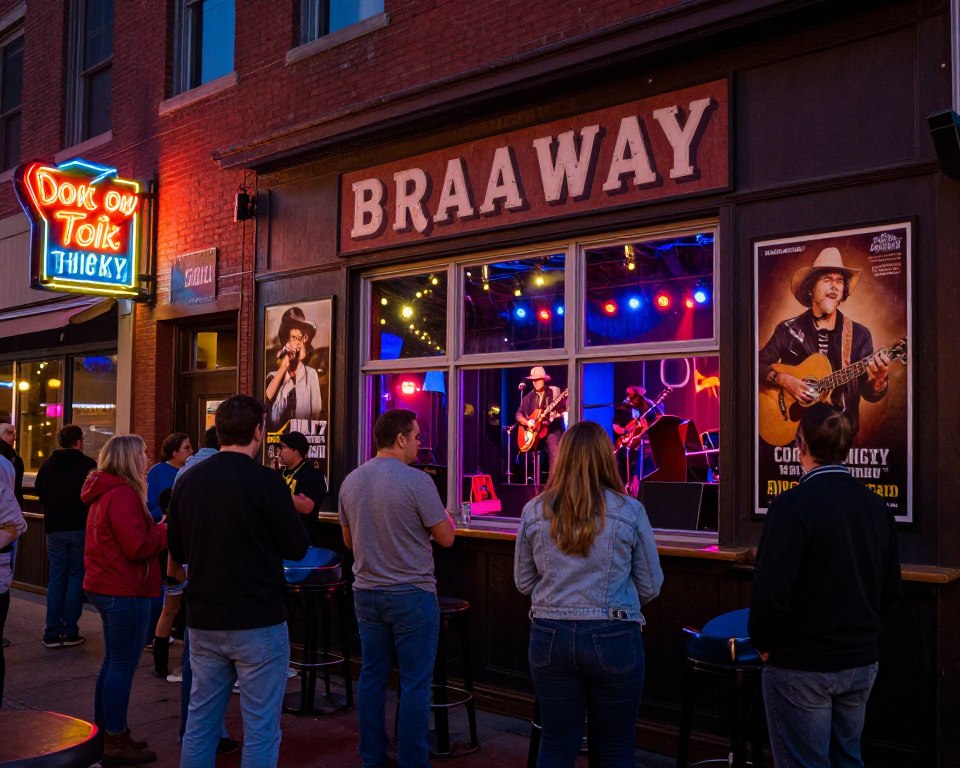
Nashville earned its “Music City” nickname through an unmatched concentration of live venues, recording studios, and musical heritage spanning country, rock, and gospel traditions. Beyond music, the city offers Southern cuisine and growing cultural sophistication.
Don’t Miss: Grand Ole Opry, Country Music Hall of Fame, honky-tonks on Broadway, Ryman Auditorium, and hot chicken.
Southwest Adventures
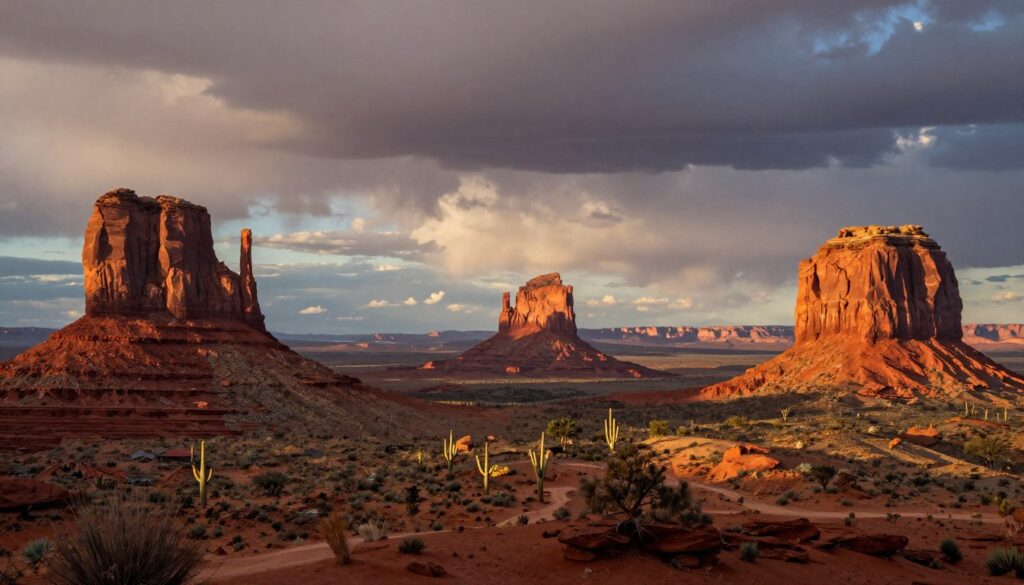
The American Southwest delivers landscapes so dramatic they seem almost unreal—towering red rocks, vast deserts, and geological formations carved over millennia. This region combines natural wonders with vibrant Hispanic heritage and modern entertainment complexes.
Las Vegas, Nevada
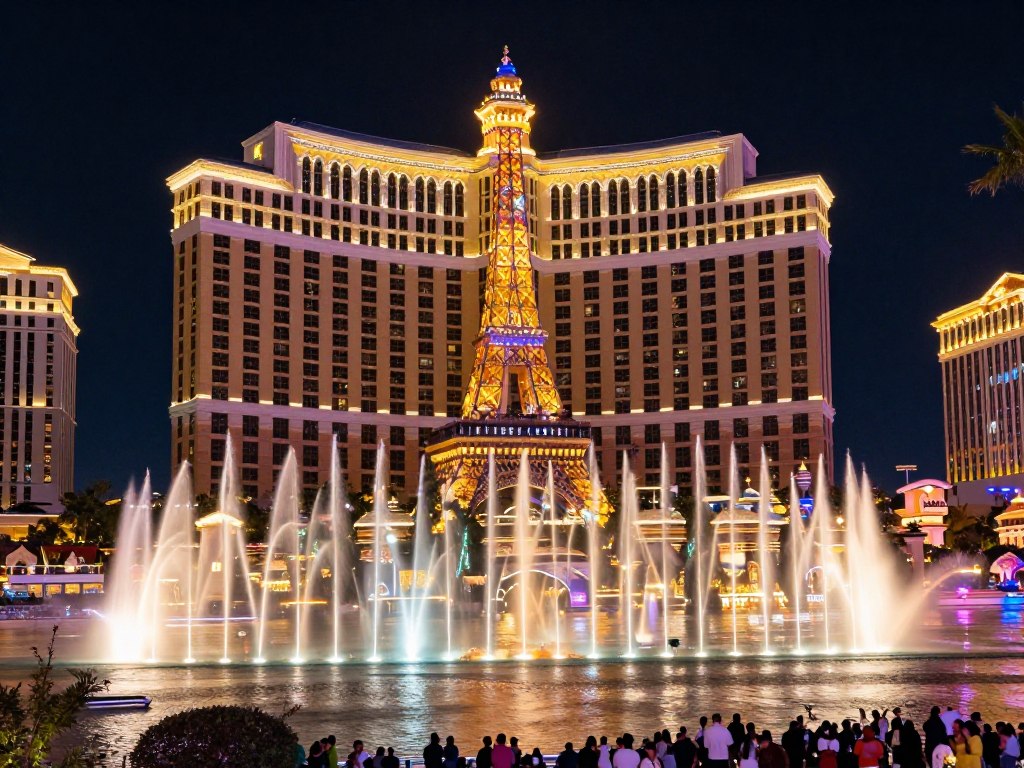
Las Vegas represents American excess at its most entertaining—world-class shows, celebrity chef restaurants, impressive architecture, and 24-hour energy create an adult playground in the desert. Beyond casinos, Vegas offers surprising sophistication in dining and entertainment.
Don’t Miss: The Strip casinos and shows, Fremont Street Experience, world-class dining, nearby Red Rock Canyon, and day trips to Hoover Dam and Grand Canyon.
Santa Fe, New Mexico
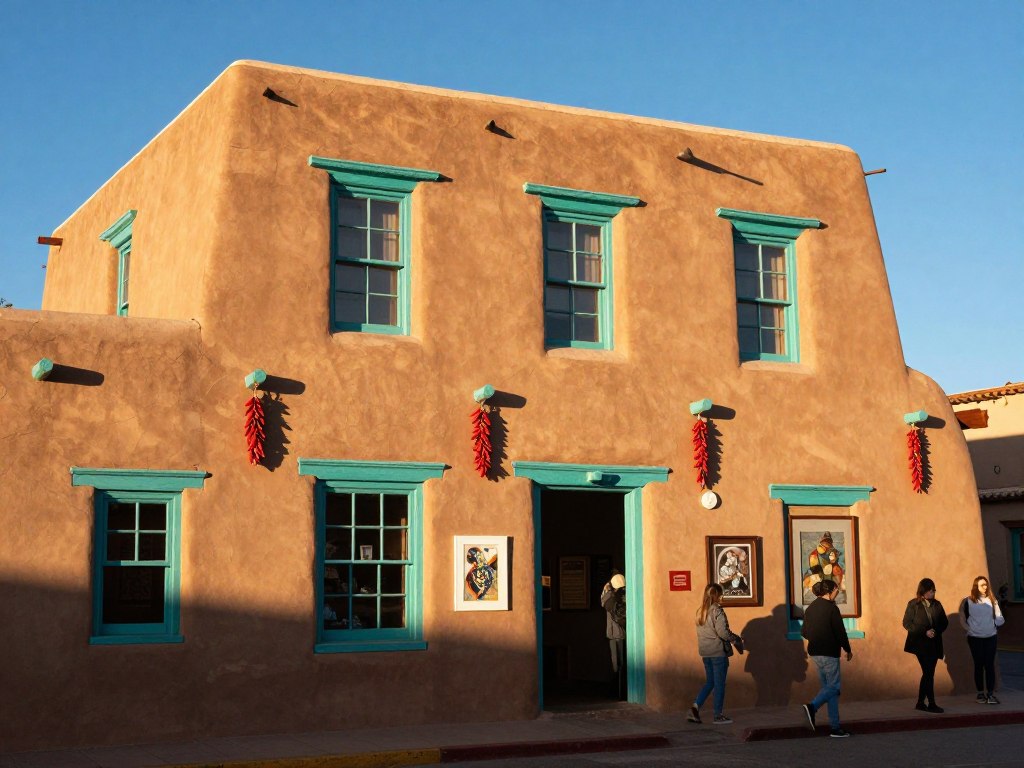
Santa Fe enchants visitors with its adobe architecture, thriving art scene, and blend of Native American, Spanish, and Anglo cultures. At 7,000 feet elevation, this high desert city offers clear skies, unique cuisine, and spiritual atmosphere.
Don’t Miss: Canyon Road art galleries, Georgia O’Keeffe Museum, historic plaza, traditional New Mexican cuisine, and nearby Taos.
Phoenix, Arizona
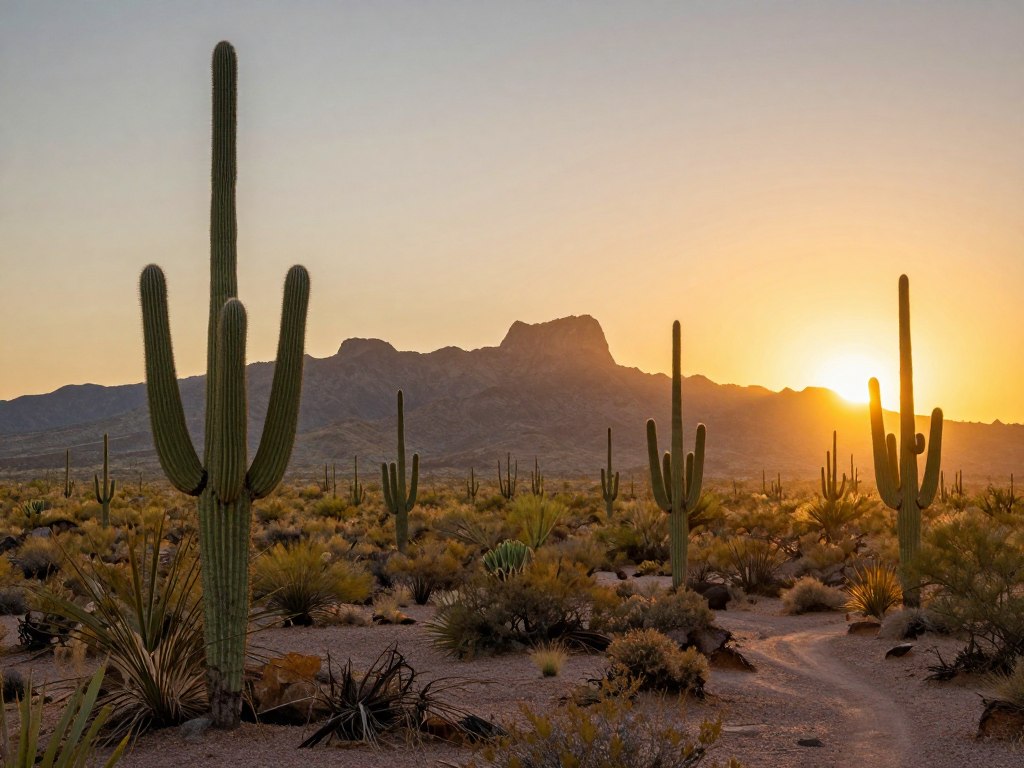
Phoenix and surrounding Valley of the Sun offer year-round sunshine, championship golf, luxurious desert resorts, and easy access to stunning natural areas. The city serves as an excellent base for exploring Arizona’s diverse landscapes from Sonoran Desert to red rock country.
Don’t Miss: Desert Botanical Garden, Heard Museum of Native American art, Camelback Mountain hikes, and day trips to Sedona and Grand Canyon.
America’s Spectacular National Park System
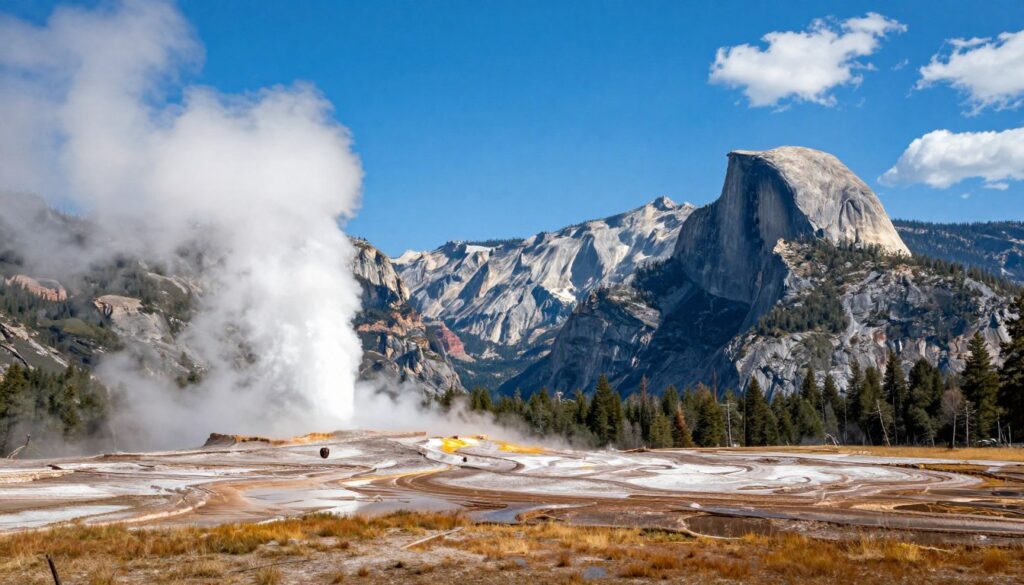
The United States National Park System preserves some of Earth’s most extraordinary landscapes and represents one of America’s greatest ideas. With 63 designated national parks plus hundreds of monuments, seashores, and recreation areas, these protected spaces offer unparalleled opportunities to experience nature’s grandeur.
Crown Jewels of the National Park System
Certain national parks have achieved iconic status through their overwhelming natural beauty and distinctive features. These destinations attract millions of visitors annually yet still manage to inspire awe and wonder.
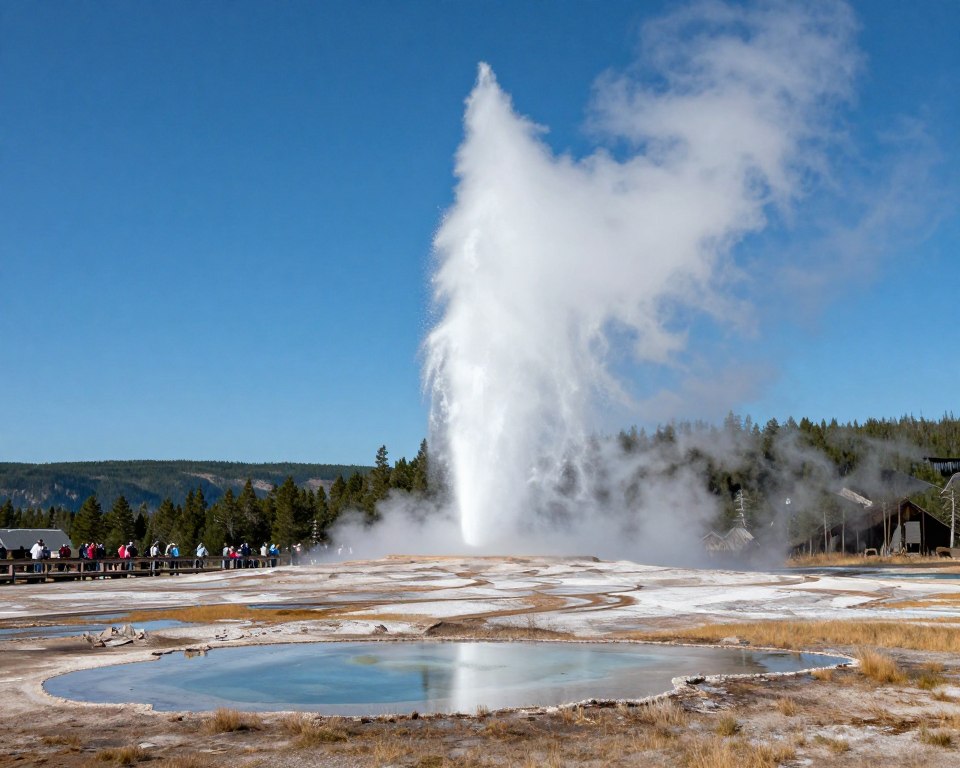
Yellowstone National Park (Wyoming, Montana, Idaho)
Established in 1872 as the world’s first national park, Yellowstone encompasses a vast volcanic wonderland of geysers, hot springs, dramatic canyons, and abundant wildlife. The park sits atop a supervolcano, creating geothermal features found nowhere else on Earth.
Visitors witness Old Faithful’s predictable eruptions, marvel at the rainbow colors of Grand Prismatic Spring, observe bison herds roaming through valleys, and explore the stunning Yellowstone Grand Canyon. The park’s size demands multiple days to appreciate its diverse ecosystems ranging from alpine meadows to dense forests.
- Best time to visit: May-September for accessibility; June-August for warmest weather
- Unique feature: Over 10,000 geothermal features including 500+ geysers
- Wildlife viewing: Bison, elk, bears, wolves, and moose
- Accommodation: Lodges within the park book far in advance; nearby towns offer alternatives
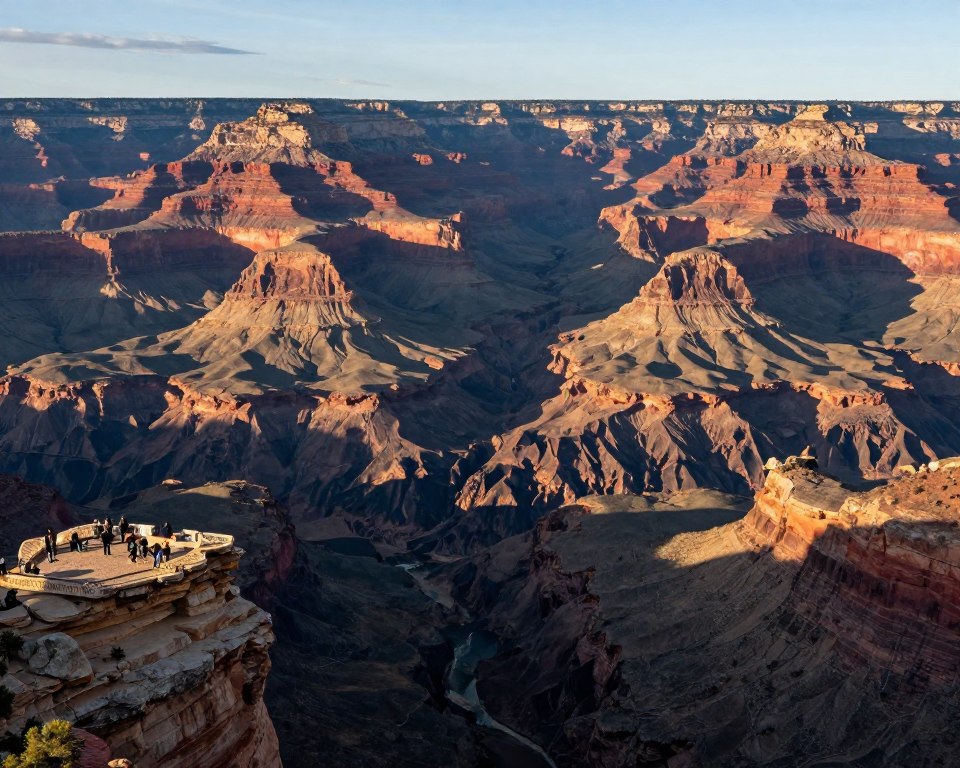
Grand Canyon National Park (Arizona)
No photograph adequately prepares visitors for the Grand Canyon’s immense scale and beauty. Carved by the Colorado River over millions of years, this mile-deep chasm reveals geological history spanning two billion years through dramatically exposed rock layers.
Most visitors explore the accessible South Rim, which remains open year-round with numerous viewpoints connected by shuttle buses and hiking trails. The more remote North Rim offers solitude and slightly cooler temperatures. Adventurous travelers can hike into the canyon, raft the Colorado River, or view the chasm from a helicopter.
- Best time to visit: March-May and September-November for comfortable temperatures
- Unique feature: Reveals 2 billion years of geological history
- Activities: Rim trails, backcountry hiking, mule rides, and river rafting
- Accommodation: Historic El Tovar Lodge or nearby Tusayan, Williams, and Flagstaff
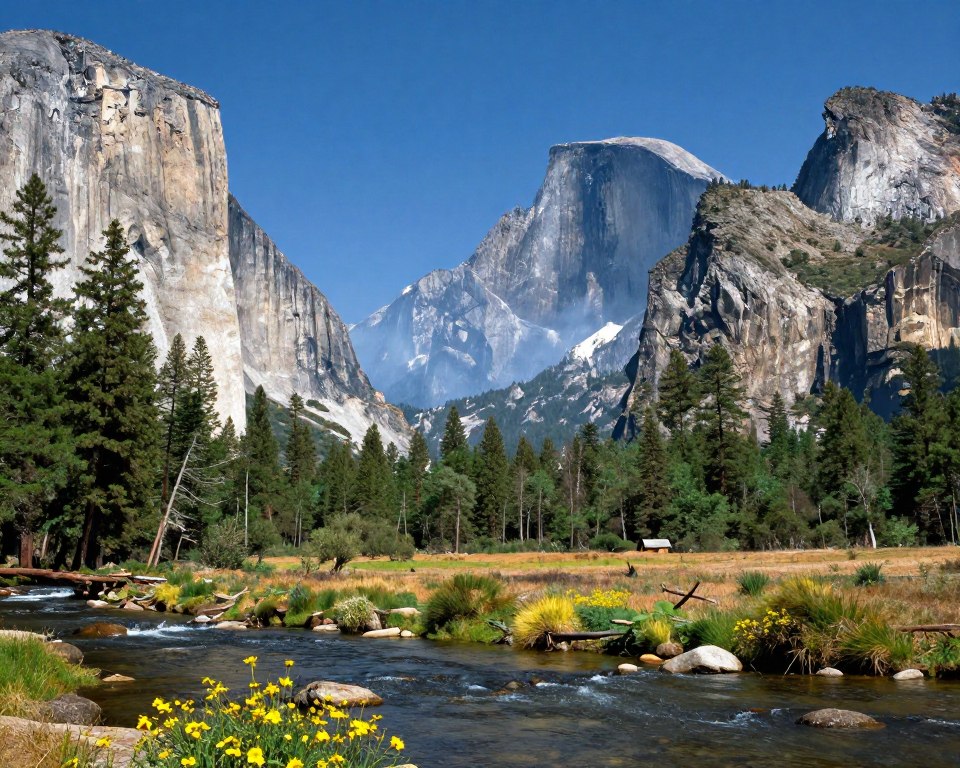
Yosemite National Park (California)
Yosemite Valley’s sheer granite cliffs, thundering waterfalls, giant sequoia groves, and alpine wilderness make it California’s crown jewel. John Muir’s passionate advocacy helped establish Yosemite as an early national park, preserving these Sierra Nevada landscapes for future generations.
The iconic Half Dome and El Capitan dominate the valley skyline while Yosemite Falls plunges 2,425 feet in three cascades. Beyond the valley, the park encompasses high country meadows, pristine lakes, and ancient giant sequoias that number among Earth’s largest living things.
- Best time to visit: Late spring for waterfalls; fall for fewer crowds
- Unique feature: Largest granite monoliths in the world
- Activities: Rock climbing, hiking Half Dome (permit required), photography workshops
- Accommodation: Historic Ahwahnee Hotel or campgrounds; Mariposa and Groveland nearby
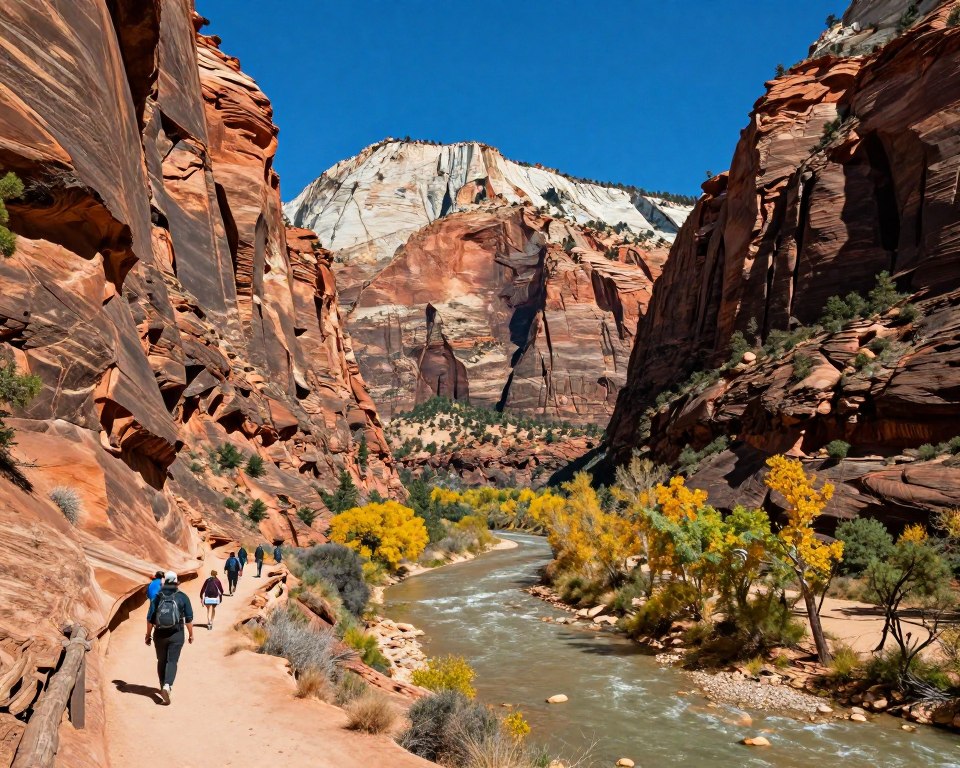
Zion National Park (Utah)
Zion’s soaring red rock cliffs rising above the Virgin River create one of America’s most dramatic canyon landscapes. The park’s accessible trails and shuttle system make spectacular scenery available to visitors of all ability levels, while challenging routes satisfy experienced hikers seeking adventure.
The famous Narrows hike through the Virgin River slot canyon requires wading through water between towering walls. Angels Landing offers heart-pounding views from chains bolted into cliffsides. Zion’s elevation range creates diverse ecosystems from desert to hanging gardens fed by seeping water.
- Best time to visit: March-May and September-November for ideal temperatures
- Unique feature: Permits required for popular hikes due to high demand
- Activities: The Narrows water hike, Angels Landing, slot canyons, canyoneering
- Accommodation: Zion Lodge inside park; Springdale offers many options at park entrance
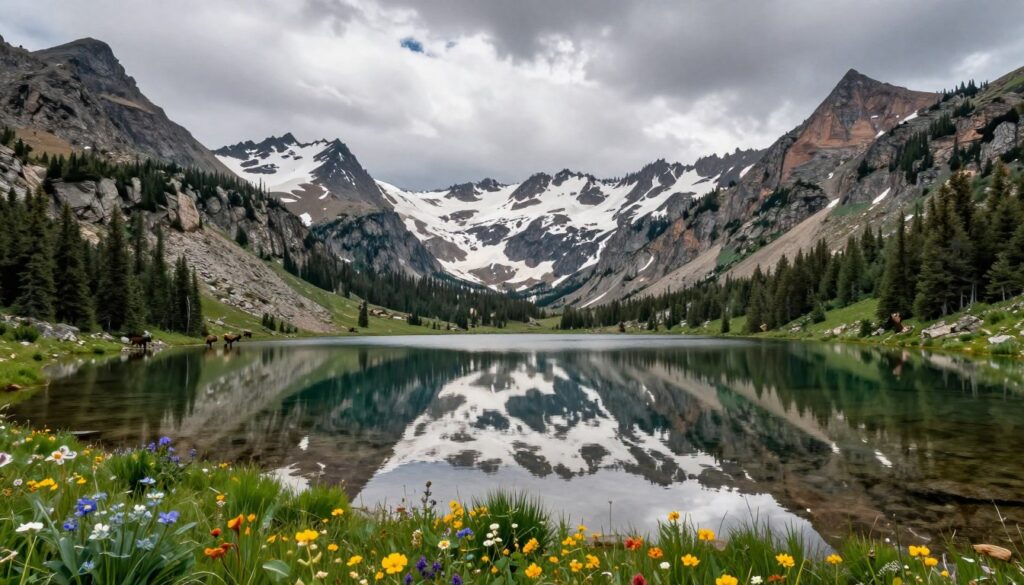
Hidden Gem National Parks Worth Exploring
While iconic parks attract millions, dozens of lesser-known national parks offer equally stunning landscapes with far fewer crowds. These hidden gems provide more intimate nature experiences and showcase America’s geographical diversity.
Great Sand Dunes National Park (Colorado)
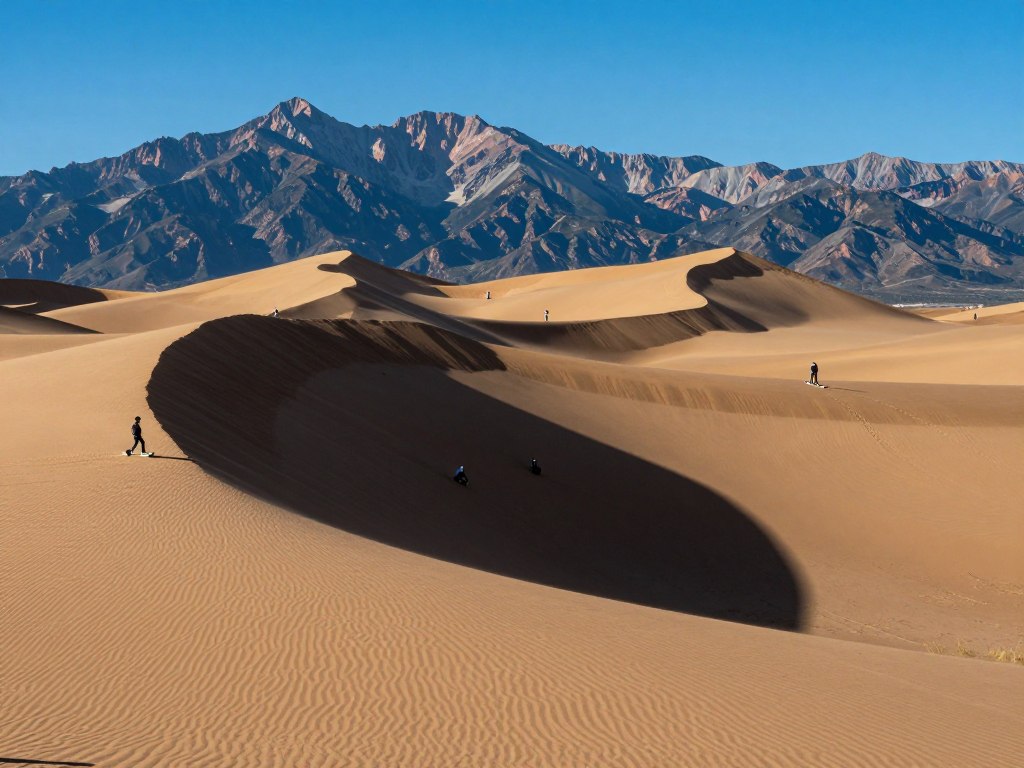
North America’s tallest sand dunes rise 750 feet against the Sangre de Cristo Mountains, creating a surreal landscape where visitors can sand-board, splash in Medano Creek, and experience the contrast between desert and alpine environments within a single park.
North Cascades National Park (Washington)
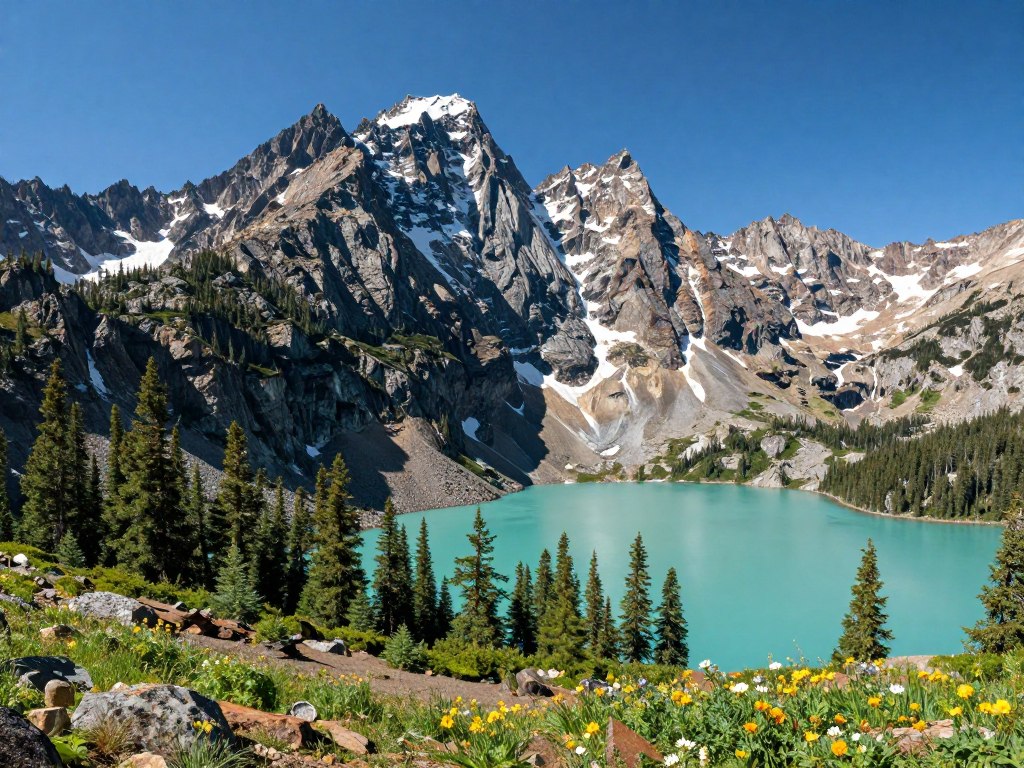
Often called the “American Alps,” this rugged park features over 300 glaciers, jagged peaks, turquoise lakes, and pristine wilderness. Its remote location means solitude and unspoiled nature for those willing to venture off the beaten path.
Congaree National Park (South Carolina)
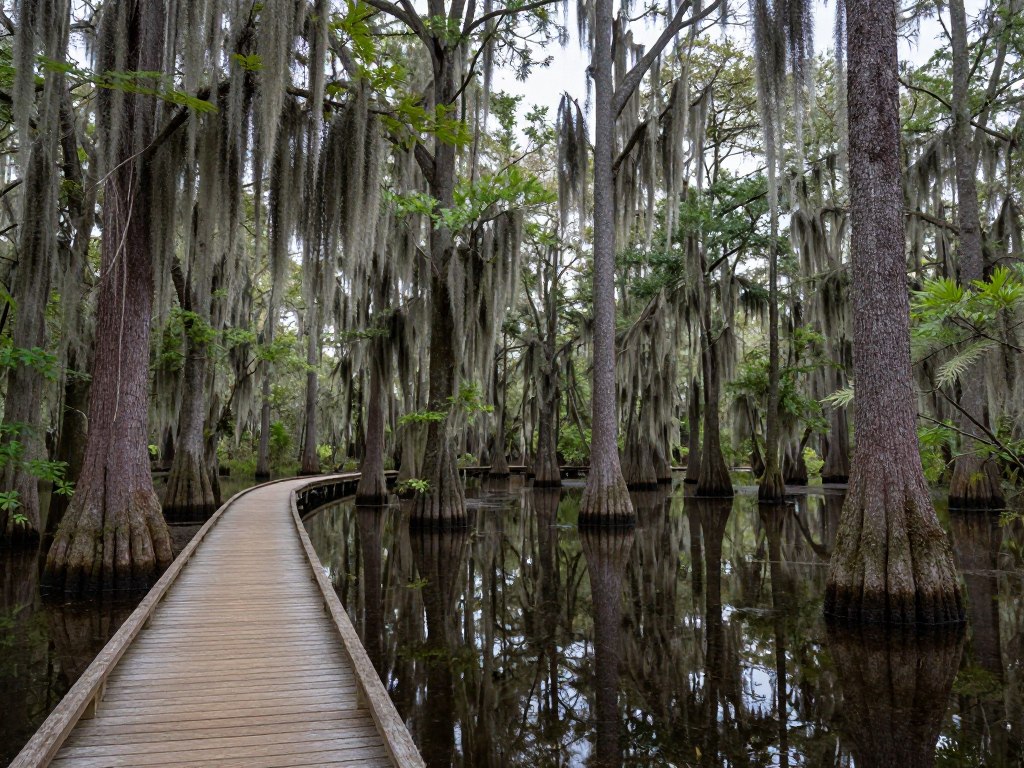
The largest intact expanse of old-growth bottomland hardwood forest in the United States, Congaree protects champion trees and a unique swamp ecosystem. Elevated boardwalks allow exploration of this primordial landscape without disturbing its delicate environment.
Planning Your National Park Visit
Successful national park visits require advance planning, especially for popular destinations that now implement reservation systems to manage crowds and protect resources.
Essential National Park Planning Tips
- Purchase an America the Beautiful Pass: $80 annual pass grants entrance to all national parks and federal recreation lands—pays for itself after visiting 3-4 parks
- Make Reservations Early: Popular parks like Yosemite, Glacier, and Arches now require timed entry reservations during peak season, often booking months in advance
- Visit During Shoulder Season: September-October and April-May offer smaller crowds, pleasant weather, and better wildlife viewing
- Stay Inside Parks When Possible: Park lodges and campgrounds place you at trailheads for sunrise and sunset, the best times for photography and wildlife
- Prepare for Limited Services: Many parks have no cell service, limited food options, and scarce facilities—bring supplies and download offline maps
- Respect Wildlife: Maintain required distances (25 yards for most animals, 100 yards for bears and wolves), never feed animals, and store food properly
Start Planning Your National Park Adventure
Explore America’s most spectacular natural landscapes. Find detailed park information, make reservations, and plan your perfect national park itinerary.
The Great American Road Trip Experience
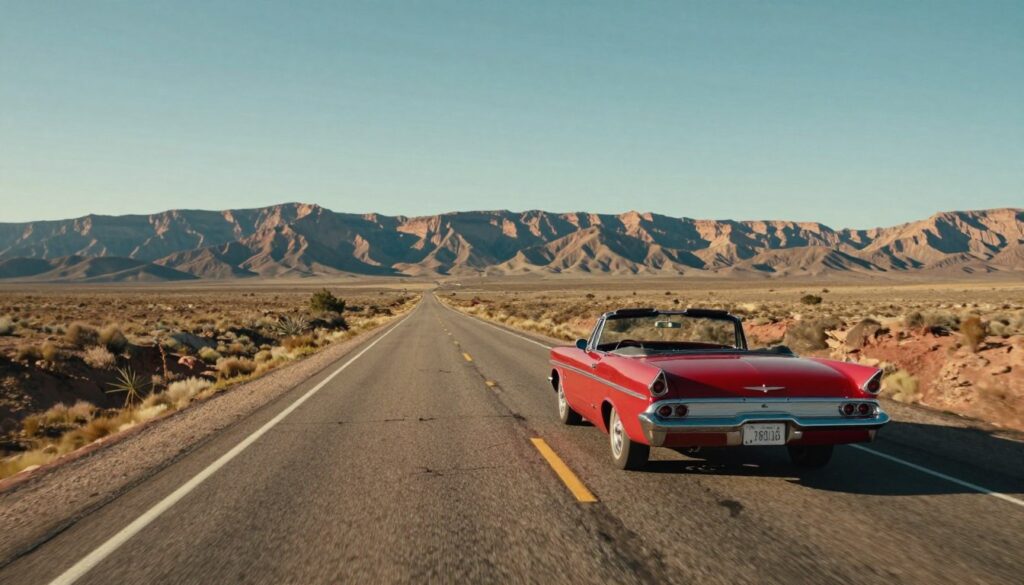
Few travel experiences capture American freedom and adventure like a classic road trip. The United States boasts an extensive highway system connecting stunning landscapes, quirky roadside attractions, and vibrant communities. Loading up a car and hitting the open road remains an essential way to understand America’s vastness and diversity.
Legendary American Road Trip Routes
Certain highways have achieved legendary status among travelers, offering not just transportation but transformative journeys through America’s heart and soul.
Route 66: The Mother Road
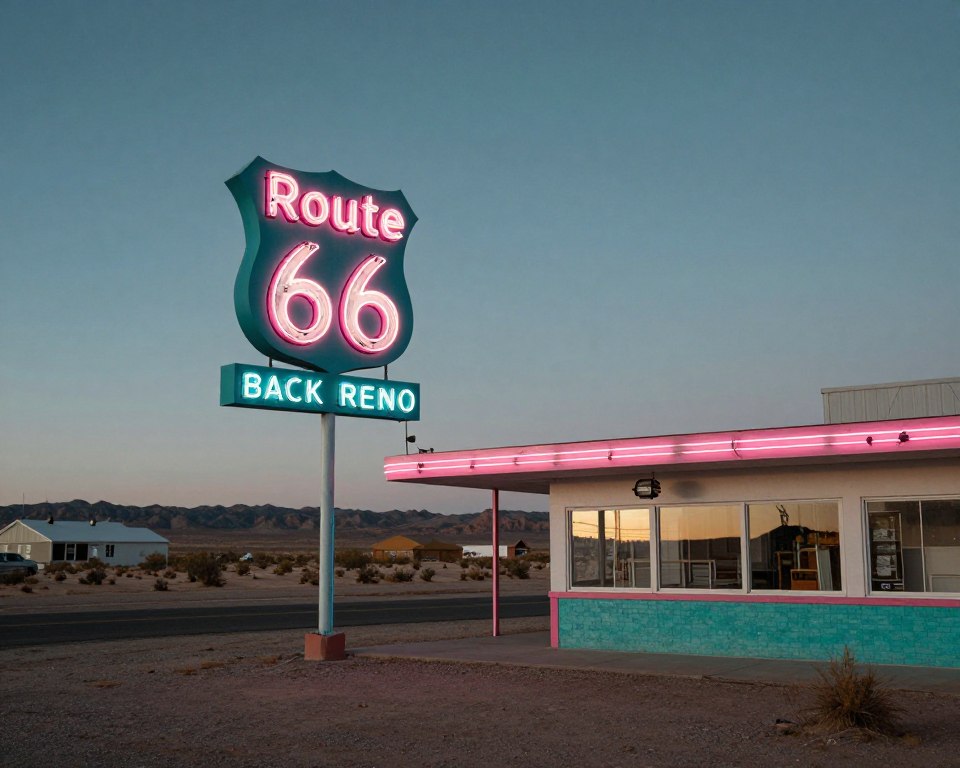
Historic Route 66 stretches 2,448 miles from Chicago to Santa Monica, crossing the American heartland through eight states. Though officially decommissioned in 1985, much of the original route remains drivable, preserving mid-century Americana through vintage motels, neon signs, roadside diners, and quirky attractions that defined post-war American car culture.
The journey captures America’s essence through small towns that time forgot, wide-open prairie landscapes, painted deserts of the Southwest, and the ultimate destination of California beaches. Expect 10-14 days to drive the full route with time to explore attractions and absorb the nostalgic atmosphere.
Route 66 Highlights by State
- Illinois: Starting point in Chicago, Lou Mitchell’s Restaurant
- Missouri: St. Louis Gateway Arch, Meramec Caverns
- Kansas: Brief 13-mile stretch through southeast corner
- Oklahoma: Route 66 Museum in Clinton, Blue Whale of Catoosa
- Texas: Cadillac Ranch, Big Texan Steak Ranch in Amarillo
- New Mexico: Tucumcari’s neon signs, Santa Fe side trip
- Arizona: Petrified Forest, Meteor Crater, Historic Williams and Seligman
- California: Desert landscapes to Santa Monica Pier finish line
Pacific Coast Highway: California’s Scenic Wonder
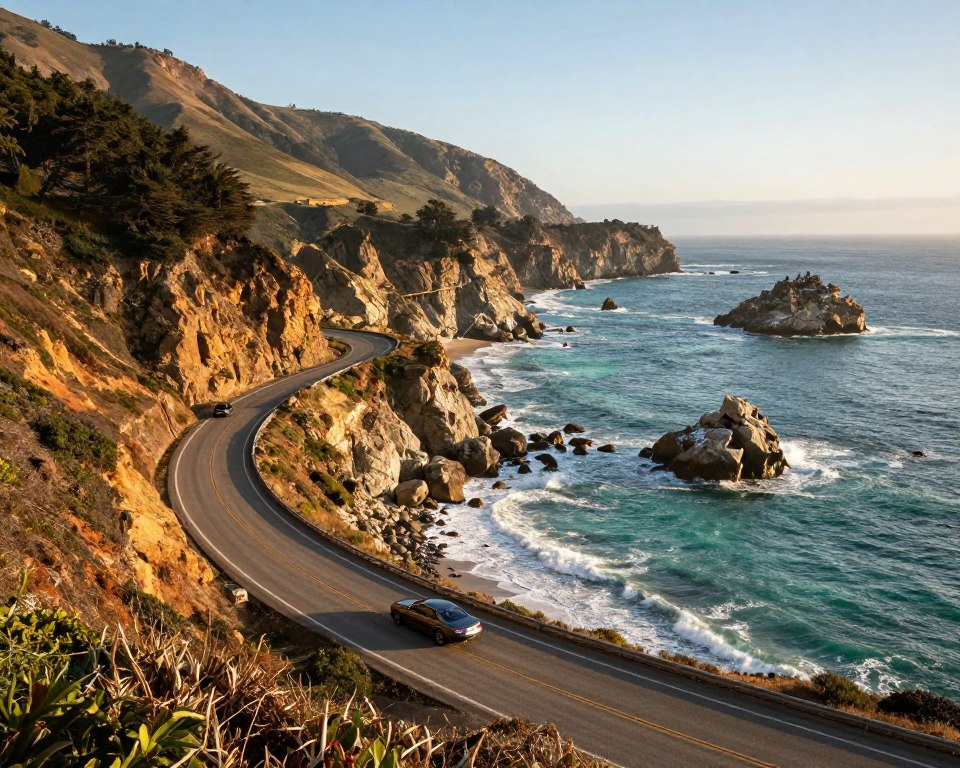
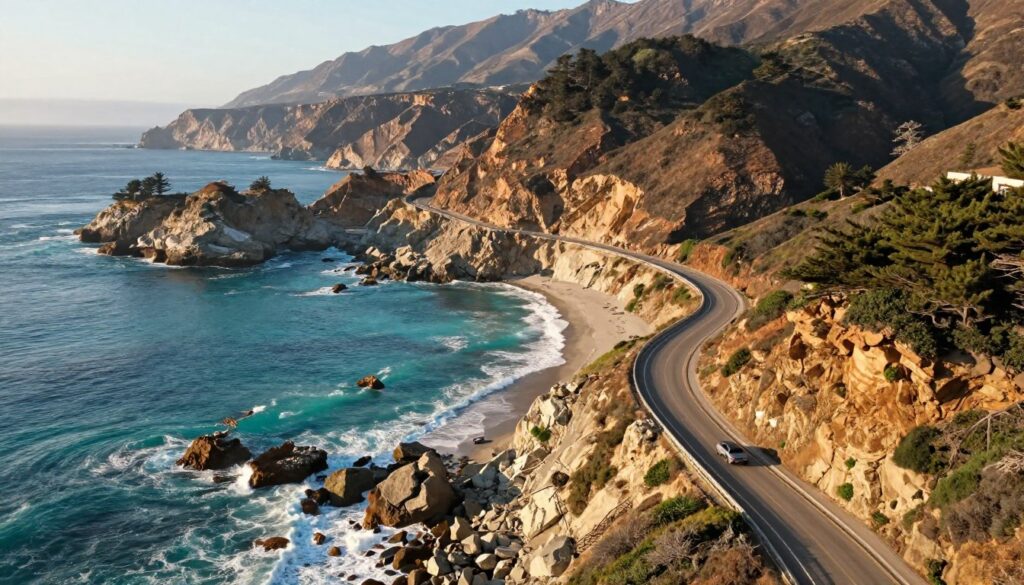
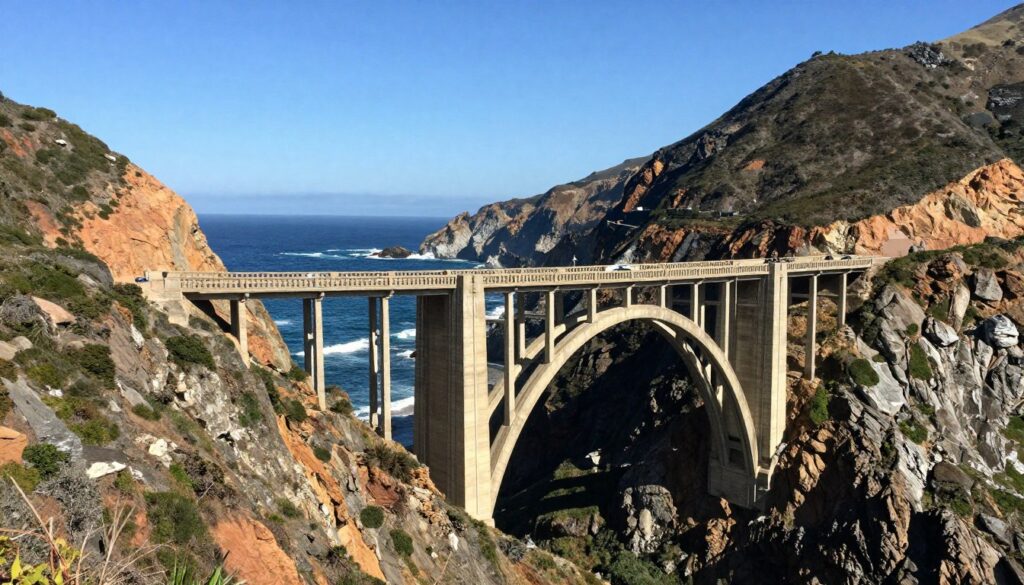
California’s Highway 1 hugs the Pacific coastline for over 650 miles, delivering perhaps America’s most spectacular coastal scenery. The route connects San Francisco with San Diego through dramatic cliffs, crashing waves, seaside towns, redwood forests, and beaches that seem to stretch forever.
The Big Sur section between Carmel and San Simeon represents the route’s crown jewel—90 miles of rugged coastline where mountains meet the sea, redwoods cling to cliffsides, and the road seems to float above the ocean. Plan 3-5 days minimum for the full drive, though many travelers spend weeks exploring the coast’s many diversions.
- Monterey: Aquarium, Cannery Row, 17-Mile Drive
- Carmel-by-the-Sea: Charming village, white sand beaches
- Big Sur: McWay Falls, Bixby Bridge, hiking trails
- San Luis Obispo: California mission, Bubblegum Alley
- Santa Barbara: Spanish architecture, wine country
- Malibu: Surfing beaches, celebrity homes
Blue Ridge Parkway: America’s Favorite Scenic Drive
Connecting Virginia’s Shenandoah National Park to North Carolina’s Great Smoky Mountains National Park, the Blue Ridge Parkway winds 469 miles through the Appalachian highlands. This road was designed purely for scenic enjoyment—no commercial traffic, no billboards, and a 45 mph speed limit that encourages leisurely appreciation of mountain views, wildflower meadows, and forest-cloaked ridges.
Fall transforms the parkway into a kaleidoscope of autumn colors, drawing leaf-peepers from around the world. Spring wildflowers, summer greenery, and winter’s stark beauty make every season rewarding. Countless overlooks, hiking trails, and historic sites along the route invite frequent stops during this 3-5 day journey.
Essential Road Trip Planning Advice
Successful road trips balance careful planning with flexibility to embrace unexpected discoveries that often become trip highlights.
Vehicle Preparation
- Service your vehicle before departure—check fluids, tires, brakes
- Pack emergency kit: spare tire, jack, jumper cables, flashlight, basic tools
- Download offline maps for areas with poor cell coverage
- Ensure adequate insurance coverage including roadside assistance
- Clean out car before trip for comfort during long drives
Route Planning Tips
- Plan realistic daily driving distances (250-400 miles maximum)
- Book accommodations in advance for peak season travel
- Build flexibility for weather delays or spontaneous detours
- Research attractions and restaurants along route beforehand
- Use apps like Roadtrippers to discover points of interest
Packing Essentials
- Comfortable clothing in layers for varying climates
- Reusable water bottles and snacks for between stops
- Phone chargers, power banks, and car adapters
- Sunscreen, sunglasses, and hats for sun protection
- Entertainment: audiobooks, podcasts, curated playlists
- Camera and binoculars for scenic stops and wildlife
Budget Management
- Calculate fuel costs based on vehicle MPG and route distance
- Set daily budget covering gas, food, lodging, and activities
- Use gas price apps to find cheapest fuel along route
- Pack cooler with drinks and snacks to reduce food costs
- Mix camping with hotels for budget-conscious travelers
- Many scenic overlooks and natural attractions are free
Rent Your Road Trip Vehicle Today
Compare rental car rates from major providers across the USA. Find the perfect vehicle for your American road trip adventure with free cancellation and no hidden fees.
Cultural Insights and Practical Travel Tips
Understanding American cultural norms and practical considerations enhances your travel experience and helps you navigate the country confidently. The United States presents unique customs, regional variations, and systems that may differ significantly from your home country.

Regional Cultural Differences
The United States lacks cultural homogeneity—regional differences in pace, customs, food, and social norms create distinct experiences as you travel across the country. Understanding these variations helps set appropriate expectations and deepens cultural appreciation.
Northeast
Fast-paced, direct communication, historical consciousness, higher population density. Cities emphasize walking and public transit. Reserved demeanor but helpful when asked.
South
Famous hospitality, slower pace, traditional values, strong religious presence. “Southern charm” includes politeness, storytelling, and taking time for conversations. Food culture centers on comfort cooking.
Midwest
Friendly “heartland” reputation, community-focused, agricultural heritage. Genuine helpfulness toward strangers. More conservative in coastal areas, progressive in cities like Chicago and Minneapolis.
West
Casual, outdoor-oriented, environmentally conscious, innovative. Laid-back attitude with emphasis on work-life balance. Health and wellness culture particularly strong on Pacific coast.
American Food Culture and Dining Etiquette
American cuisine reflects the nation’s immigrant heritage and regional diversity. While fast food gained worldwide recognition, the USA offers sophisticated culinary scenes and distinctive regional specialties that reward adventurous eaters.

Must-Try Regional Foods
- Northeast: New York pizza, Maine lobster, Philly cheesesteak, Boston clam chowder
- South: BBQ (styles vary by state), fried chicken, biscuits and gravy, gumbo, grits
- Southwest: Tex-Mex, green chile dishes, authentic Mexican cuisine, Navajo tacos
- Midwest: Chicago deep-dish pizza, Kansas City BBQ, cheese curds, Cincinnati chili
- Pacific: Fish tacos, farm-to-table cuisine, sourdough bread, Pacific Northwest salmon
Dining Customs
- Portions: American servings are notoriously large—consider sharing or taking leftovers
- Water: Tap water is safe everywhere and served free with ice at restaurants
- Refills: Coffee and soft drinks typically include free refills at casual restaurants
- Reservations: Required for popular restaurants, especially in major cities
- Dress codes: Casual acceptable most places; upscale restaurants may require business casual
Tipping Guidelines
- Restaurants: 18-20% for good service (pre-tax amount)
- Bartenders: $1-2 per drink or 15-20% of tab
- Taxi/Uber: 15-20% of fare
- Hotel housekeeping: $2-5 per night
- Valet parking: $2-5 when retrieving car
- Tour guides: $10-20 per person for full-day tours
Important Note: Tipping represents a significant portion of service workers’ income in the USA, where servers earn less than minimum wage with the expectation that tips will supplement their pay. While optional legally, tipping is deeply embedded in American culture and expected for adequate service.
Money Matters and Shopping
The American financial and shopping systems include quirks that catch international visitors off-guard. Understanding these systems prevents confusion and helps you budget accurately.
Sales Tax Surprise
Unlike many countries, U.S. prices don’t include sales tax. States, counties, and cities levy separate sales taxes ranging from 0% (Oregon, Montana, New Hampshire) to over 10% in some California cities. The tax gets added at checkout, making items cost more than displayed prices suggest. Factor 5-10% extra when budgeting for purchases.
Payment Methods
Credit cards are widely accepted and preferred for most transactions. However, some small businesses enforce credit card minimums or prefer cash. Contactless payment (tap) has become standard. Chip-and-PIN cards common elsewhere sometimes confuse American systems expecting signatures. Always carry some cash for tips, parking meters, and small vendors.
Shopping Culture
- Outlet malls: Located outside cities, offer designer brands at discounted prices
- Sales holidays: Black Friday (post-Thanksgiving), Labor Day, Memorial Day feature major discounts
- Return policies: Generally generous compared to other countries—many stores accept returns within 30-90 days with receipt
- Grocery stores: Massive selection compared to most countries; 24-hour stores common in cities

Communication and Connectivity
Staying connected while traveling in the United States is generally straightforward in urban areas but can become challenging in remote regions.
Phone and Internet Access
- Mobile Networks: Major carriers (Verizon, AT&T, T-Mobile) provide extensive coverage in populated areas. Rural coverage varies significantly.
- Tourist SIM Cards: Available at airports and major retailers. Prepaid plans offer flexibility without contracts. Ensure your phone is unlocked before arrival.
- WiFi Availability: Most hotels, cafes, restaurants, and libraries offer free WiFi. Coffee shops like Starbucks provide reliable internet nationwide.
- Rural Dead Zones: National parks, mountain regions, and rural highways often lack cell coverage entirely. Download offline maps and music beforehand.
Safety and Common Sense Precautions
The United States is generally safe for travelers, though urban areas require the same awareness you’d exercise in any major city worldwide. Understanding local conditions and exercising common sense ensures trouble-free travel.
General Safety Tips
- Don’t leave valuables visible in parked cars, especially in tourist areas
- Stay aware of surroundings, particularly at night or in unfamiliar neighborhoods
- Keep copies of important documents separate from originals
- Use hotel safes for passports and extra cash
- Share your itinerary with someone back home
- Purchase comprehensive travel insurance including medical coverage
Natural Hazard Awareness
- Check weather forecasts and heed warnings about severe weather
- Never approach or feed wildlife—maintain safe distances
- Carry adequate water when hiking in desert regions
- Tell someone your plans before backcountry adventures
- Respect warning signs at natural attractions
- Sun protection essential—altitude and reflection intensify UV exposure
Measurement Systems and Conversions
The United States stubbornly maintains imperial measurements while most of the world uses metric, creating confusion for international visitors. Learning basic conversions helps interpret distances, temperatures, and other measurements.
| Measurement | US System | Metric Equivalent | Quick Conversion |
| Distance | Miles | Kilometers | 1 mile = 1.6 km |
| Temperature | Fahrenheit | Celsius | °F = (°C × 1.8) + 32 |
| Liquid Volume | Gallons | Liters | 1 gallon = 3.8 liters |
| Weight | Pounds | Kilograms | 1 lb = 0.45 kg |
| Height | Feet/Inches | Centimeters | 1 foot = 30.5 cm |
Sample USA Travel Itineraries
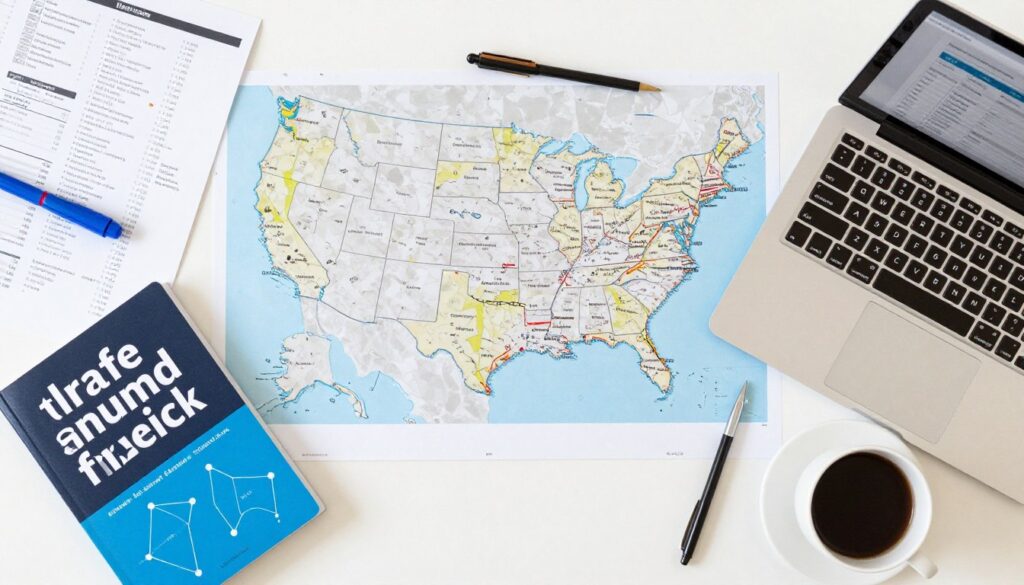
Planning a USA trip can feel overwhelming given the country’s size and endless possibilities. These sample itineraries provide structured frameworks you can adapt based on your interests, budget, and available time. Each itinerary balances iconic attractions with authentic experiences while allowing flexibility for spontaneous discoveries.
10-Day East Coast Highlights
This itinerary captures America’s historical and cultural foundations while experiencing three distinctly different major cities connected by convenient transportation.
Days 1-3: New York City
Day 1: Arrive in New York and check into your hotel. Start with a walk through Midtown Manhattan to Times Square (best in evening when illuminated), then explore nearby Bryant Park and the New York Public Library. Grab dinner in Hell’s Kitchen or the Theater District. Consider a Broadway show if energy permits.
Day 2: Begin early with the Statue of Liberty and Ellis Island (book tickets in advance). Return to Lower Manhattan for lunch, then walk across the Brooklyn Bridge for spectacular skyline views. Explore Brooklyn’s DUMBO neighborhood before returning to Manhattan. Evening options include rooftop bars for city views or exploring Greenwich Village.
Day 3: Visit Central Park in the morning (rent bikes to cover more ground). Dedicate the afternoon to world-class museums—the Metropolitan Museum of Art, Museum of Modern Art, or American Museum of Natural History. Evening in SoHo or the trendy Meatpacking District for shopping and dining.
Transportation Tip: Use the subway—it’s faster and more economical than taxis. Purchase a 7-day MetroCard for unlimited rides across subway and buses.

Days 4-6: Washington, D.C.
Day 4: Take Amtrak from New York to Washington (3.5 hours). Check into your hotel and spend the afternoon exploring Georgetown’s historic streets, shops, and waterfront. Evening stroll to see the monuments illuminated.
Day 5: Start at the National Mall. Visit the Capitol Building (tours require advance booking), then walk the Mall past the Washington Monument to the Lincoln Memorial. Side trips to the Vietnam Veterans Memorial and World War II Memorial. Afternoon at the Smithsonian—choose between Natural History, Air and Space, American History, or African American History and Culture (all free but timed entry passes required).
Day 6: Morning at Arlington National Cemetery including Changing of the Guard. Afternoon exploring more Smithsonians or the International Spy Museum. Evening in Dupont Circle or Adams Morgan neighborhoods for dining and nightlife.
Days 7-9: Boston
Day 7: Amtrak to Boston (7-8 hours). Arrive and explore Back Bay neighborhood, including Newbury Street shopping and the Boston Public Library. Walk the Esplanade along the Charles River. Dinner in the North End (Italian neighborhood).
Day 8: Walk the Freedom Trail in the morning, hitting major Revolutionary War sites. Visit Faneuil Hall and Quincy Market for lunch and street performances. Afternoon tour of Harvard University in Cambridge. Return for evening at a Red Sox game at Fenway Park if schedule allows.
Day 9: Day trip to Salem (30 minutes by train) to explore witch trial history and maritime heritage. Alternatively, visit Lexington and Concord where the Revolutionary War began. Return to Boston for final evening in Seaport District.
Day 10: Depart from Boston or extend your trip to explore New England’s coastal towns.
14-Day Western USA Adventure
This ambitious itinerary covers some of America’s most spectacular natural wonders and vibrant Western cities. A rental car is essential for this journey.
Days 1-2: Las Vegas, Nevada
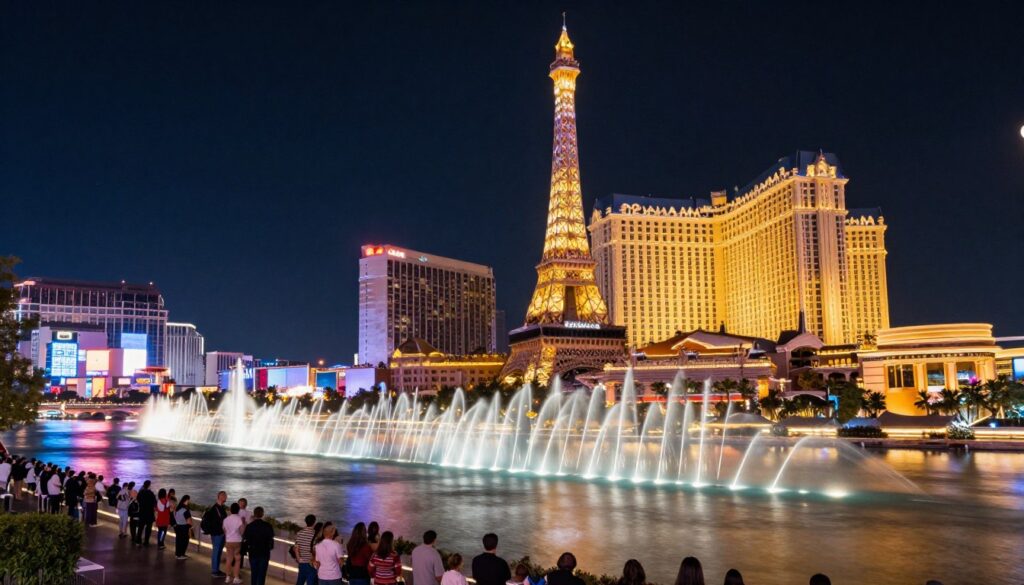
Arrive in Las Vegas and acclimate to Western USA. Explore the famous Strip casinos—walk through the Bellagio for its art gallery and fountains, visit the Venetian’s Grand Canal, experience the Fremont Street light show in downtown Vegas. See a Cirque du Soleil show or other entertainment. This serves as your base before heading to natural attractions.
Day trip option: Red Rock Canyon National Conservation Area (30 minutes west) offers hiking and scenic drives if you want nature before the main park visits.
Days 3-4: Grand Canyon National Park
Drive to Grand Canyon South Rim (4.5 hours from Vegas). Check into lodge or nearby Tusayan/Williams hotel. Spend two days exploring viewpoints along the rim—Mather Point, Yavapai Point, Desert View. Watch sunrise and sunset from different vantage points. Consider helicopter tour or hiking partway into the canyon (Bright Angel or South Kaibab trails).
Days 5-6: Zion National Park & Bryce Canyon
Drive to Zion National Park (4 hours). Hike The Narrows or Angels Landing (permits required for Angels Landing). Second day, drive to Bryce Canyon (2 hours from Zion) to see the otherworldly hoodoo formations. Hike Navajo Loop or Queens Garden Trail. Stay in Springdale (Zion) or nearby towns.
Days 7-8: Moab & Arches/Canyonlands
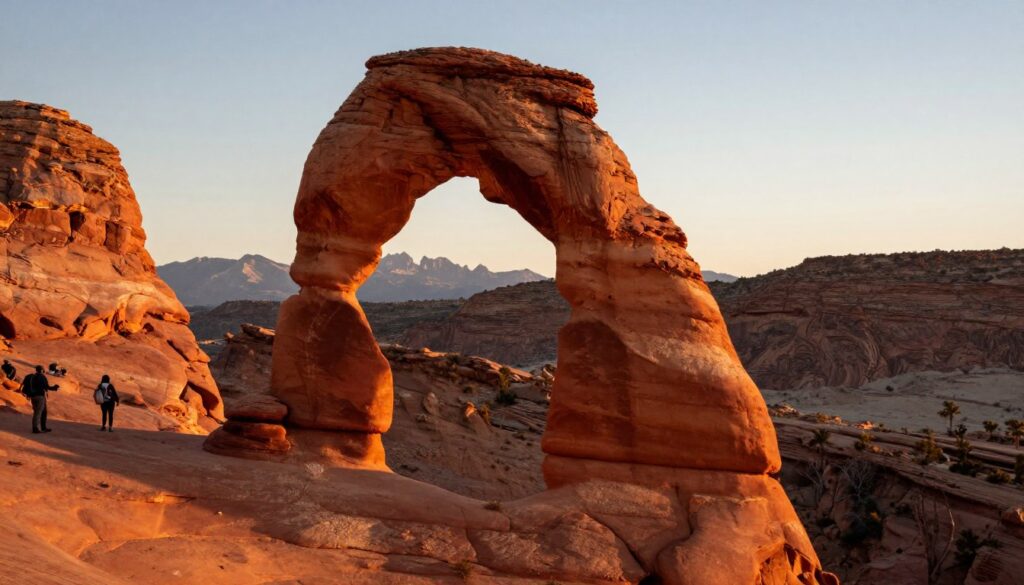
Drive to Moab, Utah (4 hours from Bryce). Base yourself in this adventure town and explore Arches National Park—see Delicate Arch, Balanced Rock, Windows Section. Second day visit Canyonlands National Park’s Island in the Sky district. Consider sunset 4WD tour or mountain biking on famous Slickrock Trail.
Days 9-10: Page, Arizona & Antelope Canyon
Drive to Page (4 hours). Tour Antelope Canyon (book well in advance—Upper Canyon for easier access and best light). Visit Horseshoe Bend overlook. Explore Lake Powell by boat or kayak. This region offers some of the Southwest’s most photogenic landscapes.
Days 11-14: San Francisco, California
Fly from Las Vegas to San Francisco (or drive 9 hours if time permits). Spend remaining days exploring this coastal city—Golden Gate Bridge walk, Alcatraz tour (advance booking essential), cable car rides, Fisherman’s Wharf, Chinatown, Mission District street art, hiking in Marin Headlands across the bridge. Consider day trip to Muir Woods for giant redwoods or Napa Valley for wine tasting.
Depart from San Francisco International Airport.
7-Day Southern USA Culture and History
Experience authentic Southern hospitality, cuisine, and history through three distinct cities that showcase regional character.
Days 1-3: New Orleans, Louisiana
Immerse yourself in New Orleans’ unique culture. Walk the French Quarter’s historic streets, listen to live jazz on Frenchmen Street, take a steamboat cruise on the Mississippi River. Visit City Park and the National WWII Museum. Don’t miss beignets at Café du Monde, po-boys from local shops, and dinner at classic Creole restaurants. Take a swamp tour to see alligators and learn about Louisiana’s ecosystem.
Days 4-5: Charleston, South Carolina
Fly or drive to Charleston. Tour historic homes and plantations to understand (complicated) Southern history. Walk the Battery waterfront, explore Rainbow Row’s colorful houses, visit Fort Sumter where the Civil War began. Charleston’s restaurant scene rivals any in America—make reservations at acclaimed establishments. Spend a day at nearby beaches on Folly Beach or Sullivan’s Island.
Days 6-7: Nashville, Tennessee
Travel to Nashville (7-hour drive or short flight). Tour the Grand Ole Opry, visit the Country Music Hall of Fame, explore the Ryman Auditorium. Spend evenings on Lower Broadway experiencing honky-tonks with live music. Visit historic RCA Studio B where Elvis recorded. Try authentic Nashville hot chicken and attend a songwriter round to hear where country hits are born. Consider day trip to Jack Daniel’s Distillery (1.5 hours).
Customize Your Perfect USA Itinerary
Get personalized itinerary recommendations based on your interests, travel style, and time available. Access expert planning tools and insider tips for every destination.
Additional Practical Travel Information
These final practical considerations help ensure smooth travels across the United States, addressing common questions and situations international visitors frequently encounter.
Accommodation Options Across America
The USA offers accommodation for every budget and travel style, from luxury resorts to budget-friendly hostels. Understanding your options helps you choose lodging that fits your needs and budget.
Hotels and Motels
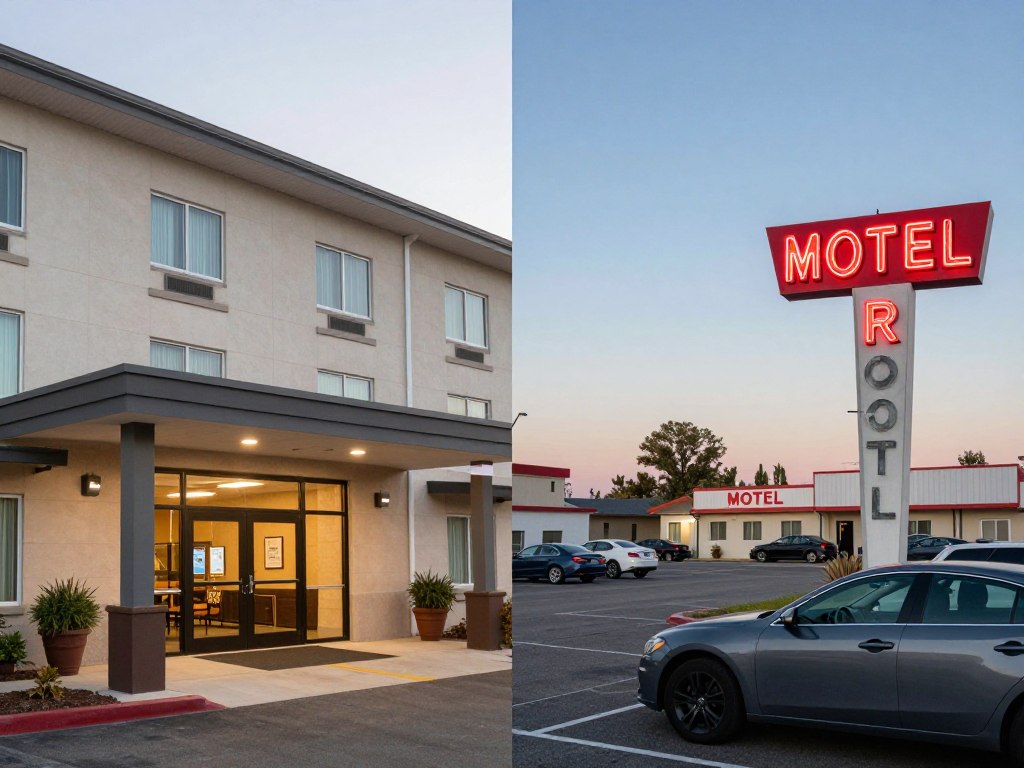
Major chains (Marriott, Hilton, Hyatt, IHG) offer consistent quality and loyalty programs with rewards. Budget chains (Motel 6, Super 8, La Quinta) provide basic but clean rooms at economical rates. Roadside motels particularly common along highways offer convenient overnight stops.
Vacation Rentals

Platforms like Airbnb and VRBO offer entire homes or apartments, often more economical for families or longer stays. Provide more space and kitchen access for preparing meals. Particularly popular in resort areas and cities with limited hotel inventory.
Hostels and Camping
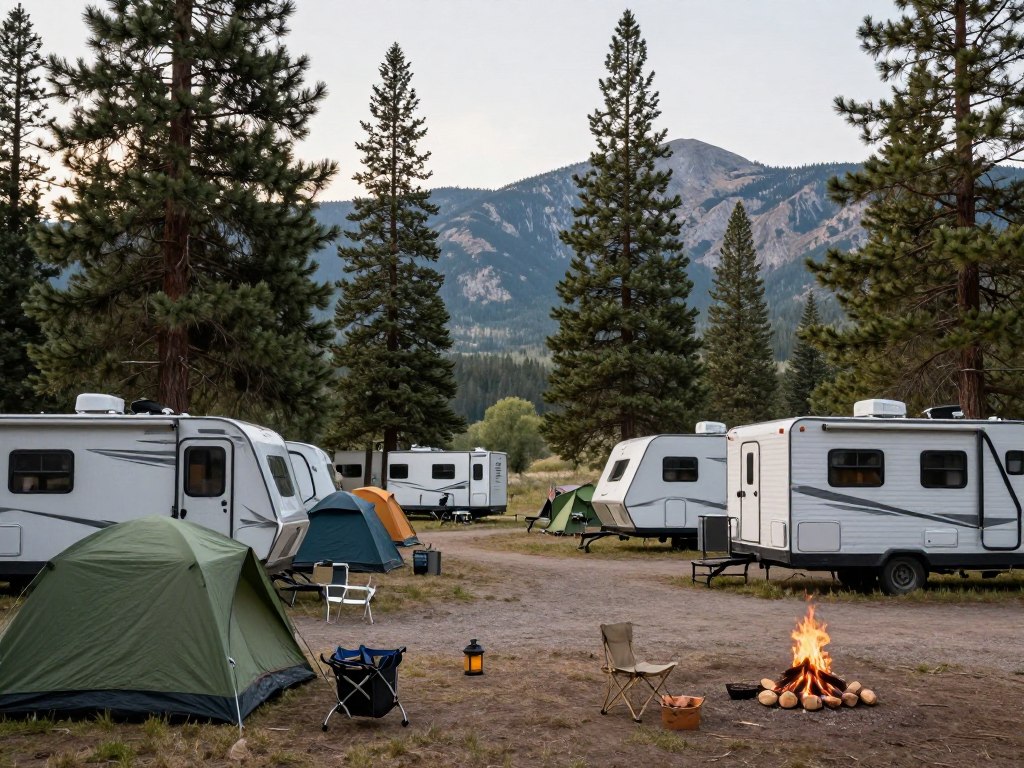
Hostels in major cities offer dorm beds and private rooms at backpacker prices. National parks and many state parks maintain excellent campgrounds (reserve far in advance for summer). Dispersed camping free on public lands in Western states.
Healthcare and Travel Insurance
Critical Information for International Travelers
Healthcare in the United States is extremely expensive without insurance. A simple emergency room visit can cost thousands of dollars; serious medical situations can result in bills exceeding $100,000. Unlike many countries, the U.S. does not provide universal healthcare for visitors.
Comprehensive travel insurance with medical evacuation coverage is absolutely essential. Ensure your policy covers:
- Emergency medical treatment and hospitalization
- Medical evacuation to your home country if necessary
- Trip cancellation and interruption
- Lost luggage and personal belongings
- Adventure activities if participating in skiing, diving, etc.
Staying Connected: Phone and Internet
Modern travel requires reliable connectivity for navigation, booking, and communication. Plan your communication strategy before arriving to avoid expensive roaming charges or connectivity gaps.
- Available at airports and major retailers
- Prepaid plans from $30-60 for 2-4 weeks
- T-Mobile and AT&T offer better national coverage
- Requires unlocked phone
- Best for moderate data users
Tourist SIM Cards
- Check with your home carrier for USA packages
- Convenient but often expensive
- Some carriers include USA in international plans
- Works with existing phone number
- Best for short trips or business travelers
International Roaming
- Free WiFi widely available in cities
- Download offline maps beforehand
- Most accommodations provide internet
- Limits flexibility in rural areas
- Best for ultra-budget travelers
WiFi Only Strategy
Environmental Awareness and Sustainability
As tourism impacts intensify, responsible travel practices help preserve America’s natural and cultural treasures for future generations. Consider these sustainable travel practices during your USA visit.
Leave No Trace Principles
- Pack out all trash—leave places cleaner than you found them
- Stay on designated trails to prevent erosion and habitat damage
- Camp at established sites rather than creating new impact
- Respect wildlife by observing from safe distances
- Never feed animals—human food harms wildlife health
- Minimize campfire impacts or use established fire rings
Sustainable Travel Choices
- Choose accommodations with environmental certifications
- Support local restaurants and businesses over chains
- Use reusable water bottles—tap water safe everywhere
- Consider trains or buses for certain routes instead of flying
- Visit popular attractions during off-peak seasons
- Respect local communities and private property

Begin Your American Adventure
The United States offers travel experiences as diverse as its landscape—from the electric energy of New York City to the profound silence of Grand Canyon rim, from jazz-filled nights in New Orleans to outdoor adventures in Yellowstone, from Pacific beaches to Appalachian mountains. This vast country rewards those who venture beyond its most famous attractions to discover regional characters, meet welcoming locals, and experience the natural wonders that inspire global admiration.
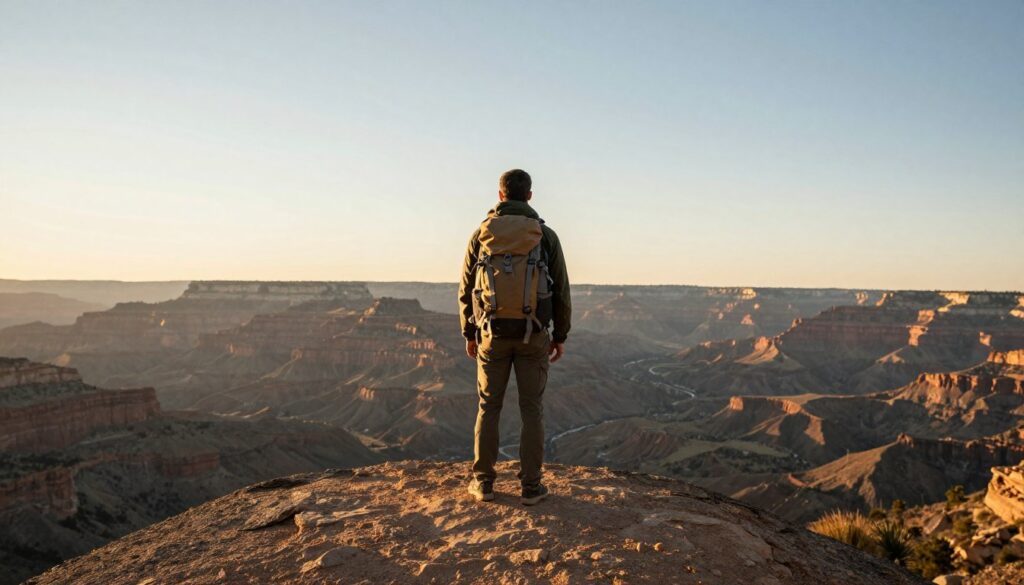
Whether you’re planning your first USA trip or returning to explore new regions, remember that America’s greatest treasures often lie between the destinations—roadside diners serving local specialties, spontaneous conversations with strangers, unexpected detours that become trip highlights, and moments that capture the American spirit of openness and possibility.
This guide provides the foundation, but your own curiosity, flexibility, and willingness to embrace the unexpected will define your American adventure. The United States awaits with endless possibilities for discovery, connection, and unforgettable experiences that will stay with you long after you return home.
Start Planning Your USA Dream Trip Today
You’ve read the guide—now it’s time to turn those travel dreams into reality. Explore destinations, find exclusive deals, and book your perfect American adventure with confidence.
Your Next Steps
- Determine your travel dates and length of trip
- Choose regions or cities based on your interests and season
- Set a realistic budget including flights, accommodation, and activities
- Book flights and major accommodations 2-3 months in advance
- Apply for ESTA or visa if required (do this early)
- Purchase comprehensive travel insurance
- Research and make reservations for must-see attractions
- Create flexible itinerary allowing time for spontaneity
- Pack appropriately for your destinations and season
- Embrace the adventure and enjoy every moment!
Safe travels, and may your journey through the United States exceed every expectation. The open road, endless horizons, and warm American welcome await you.