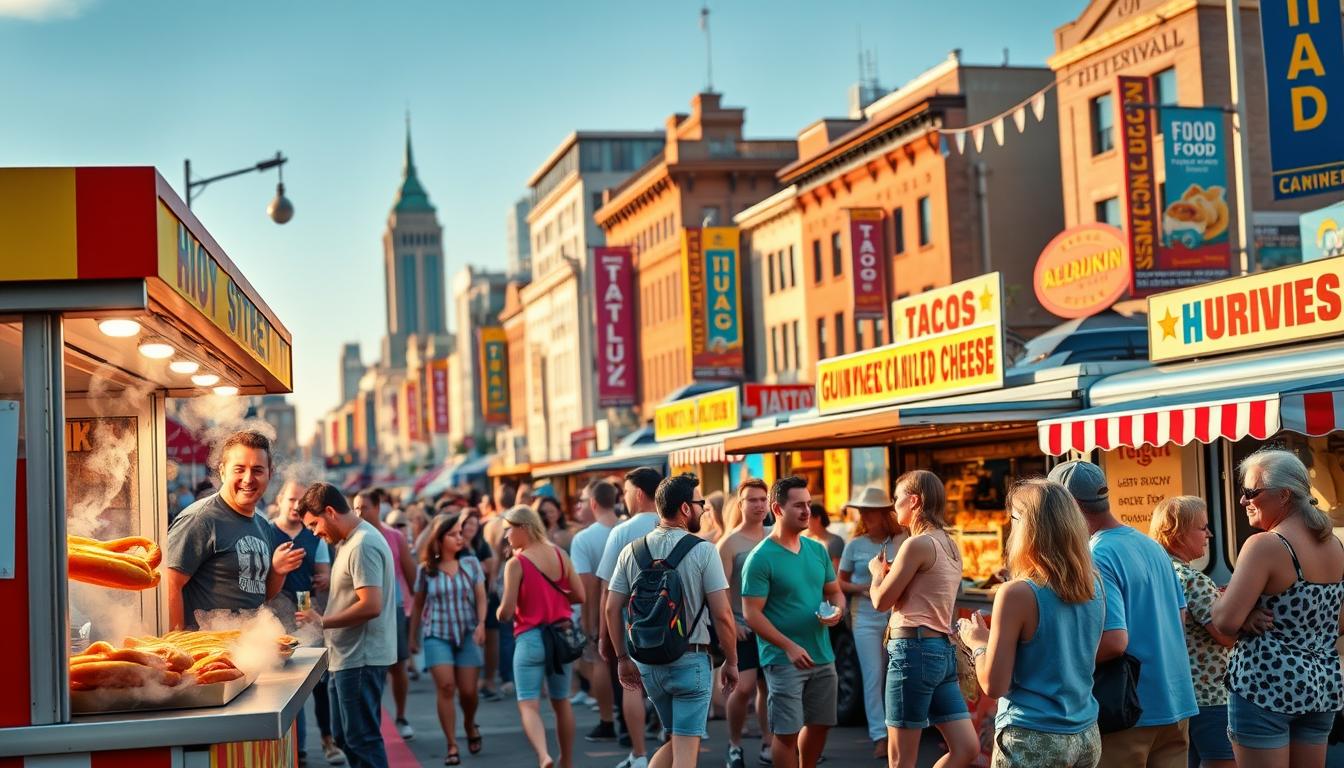
Forget the white tablecloths. The real heart of American eating beats on bustling street corners and in tucked-away neighborhood spots.
As a professional critic and travel blogger, I’ve spent years chasing flavors from coast to coast. The most memorable meals are often the simplest: a perfect taco from a truck, a steaming bowl from a family-run stall.
This nation’s culinary strength is its incredible diversity. Waves of migration have created a vibrant tapestry of flavors. You can find authentic global dishes right here, often for just a few dollars.
This guide is your key to unlocking those authentic experiences. We will explore ten incredible food cities, revealing the hidden eateries and local secrets that define each place. For a deeper look at standout culinary destinations, this list is a great start.
You’ll get specific dish recommendations, budget tips, and pro advice for navigating each scene like a true local.
Key Takeaways
- Authentic American cuisine often thrives in casual, street-side settings rather than formal restaurants.
- This guide is crafted from years of on-the-ground exploration by a seasoned food and travel expert.
- Discover ten unique urban destinations, each with a distinct street food culture and hidden gems.
- Find recommendations that cater to all budgets, from quick bites to memorable splurges.
- Get practical, local-style tips for navigating each city’s culinary landscape confidently.
- Access specific must-try dishes and restaurant names to build your perfect food itinerary.
- Use quick-reference insights to help plan a delicious and efficient trip across the country.
Sensory Introduction: Immersing in the Flavors and Sounds of Street Food
The true essence of a city’s culinary soul often hums from a street corner grill. Step into a vibrant market at peak hours. Your nose leads the way.
Aromatic spices dance with the sweet smell of baking bread. Sizzling meat on hot griddles sends savory smoke into the air. Colorful produce and steaming dumplings create a visual feast.
Listen closely. The scrape of a metal spatula sets the rhythm. Vendors call out with friendly urgency. You hear a chorus of languages from the diverse crowd.
This lively food scene is more than a meal. It is a direct gateway into local culture and history. Each stall tells a story of family recipes and community.
Iconic spots like Seattle’s Pike Place or Philadelphia’s Reading Terminal Market prove this point. They are cultural crossroads where food connects people.
Vivid Descriptions of American Food Markets
These hubs offer an authentic, affordable taste of a town. For any foodie planning a travel day, they are essential stops. The table below highlights a lot of what makes them special.
| Market Name | Location | Signature Sensory Experience | Must-Try Dish |
|---|---|---|---|
| Pike Place Market | Seattle, WA | The roar of fishmongers & scent of fresh flowers | Dungeness Crab Cocktail |
| Ferry Building Marketplace | San Francisco, CA | Bustling ferry horns & aroma of sourdough | Artisan Cheese Plate |
| Reading Terminal Market | Philadelphia, PA | Clatter of Amish buggies & smell of roasting meat | Classic Philly Cheesesteak |
How Street Food Captures Local Culture
Street vendors serve as cultural historians. A simple taco truck can reveal decades of regional tradition. These dishes carry generations of knowledge.
They also provide room for delicious innovation. Traditional recipes meet local ingredients. The result is unique fusion creations you cannot find anywhere else.
This is the heart of American street food. It is accessible, authentic, and always tells a story.
Unveiling the Street Food Culture Across America
What started as immigrant pushcarts has blossomed into a nationwide celebration of flavor. This journey defines the modern American food scene.
The Evolution of Local Culinary Traditions
Early 1900s vendors sold simple pretzels and hot dogs. Today, trained chefs operate mobile kitchens. They serve restaurant-quality cuisine from sleek trucks.
Regions developed distinct styles. The Southwest perfected the taco truck. The West Coast pioneered Asian-Latin fusion. This evolution changed casual dining forever.
Budget-Friendly Bites and Insider Tips
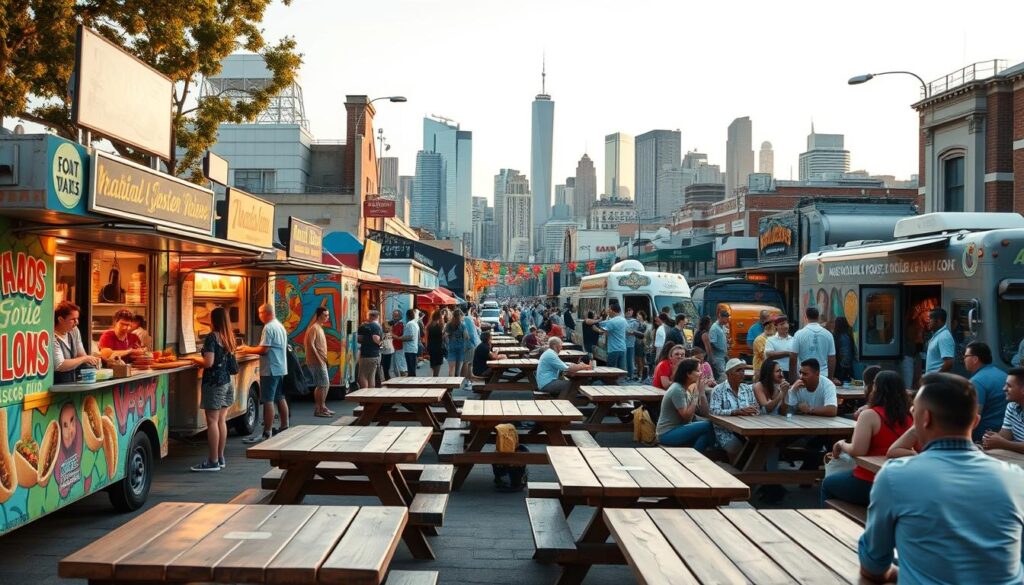
Street food democratizes gourmet tastes. A perfect taco can cost just a few dollars. It often rivals pricier restaurants in flavor.
Follow the locals. A long line is a reliable sign of quality. Use social media to track your favorite roaming trucks.
The best meals aren’t about fancy plates. They’re about passion served straight from the grill.
Visit during lunch for generous portions. Never judge a stall by its worn appearance. The most unassuming spots often deliver the most memorable meals.
This way of eating makes travel delicious and affordable. You can sample multiple authentic dishes in a single day. You meet the people behind the food, making your trip richer.
Exploring Top Food Destinations 2026
Looking ahead to 2026, savvy travelers are mapping their journeys around flavor-packed street corners and historic markets. Discerning eaters now seek authentic experiences where culinary innovation happens daily.
Highlights of Iconic Food Markets to Visit
Iconic markets serve as the beating heart of America’s best food cities. These bustling hubs offer a lot of options under one roof.
From fresh seafood in Seattle to artisan goods in San Francisco, these places are essential for any foodie. They provide vibrant alternatives to traditional restaurants.
| Market Name | City | Key Feature | Must-Try Item |
|---|---|---|---|
| Pike Place Market | Seattle, WA | Famous fish throwing & fresh seafood | Dungeness Crab Cocktail |
| Ferry Building Marketplace | San Francisco, CA | Artisan vendors & Bay views | Artisan Cheese Plate |
| Reading Terminal Market | Philadelphia, PA | Amish specialties & diverse cuisines | Classic Philly Cheesesteak |
| Grand Central Market | Los Angeles, CA | Historic 1917 market with modern vendors | Trendy Fusion Tacos |
Comparing Urban Street Food with Gourmet Experiences
Street food offers immediacy and deep cultural connection. Gourmet dining provides refined technique. Both play crucial roles in a city’s complete culinary identity.
The lines between them are blurring. Award-winning chefs now operate popular stalls. Former food truck owners open brick-and-mortar destinations. This creates a more exciting and democratic landscape for all foodies.
Plan your travel wisely. Budget a full day for major markets. Make room for both planned reservations and spontaneous street finds. Guided tours can help you sample multiple vendors efficiently.
New York City’s Iconic Food Scene
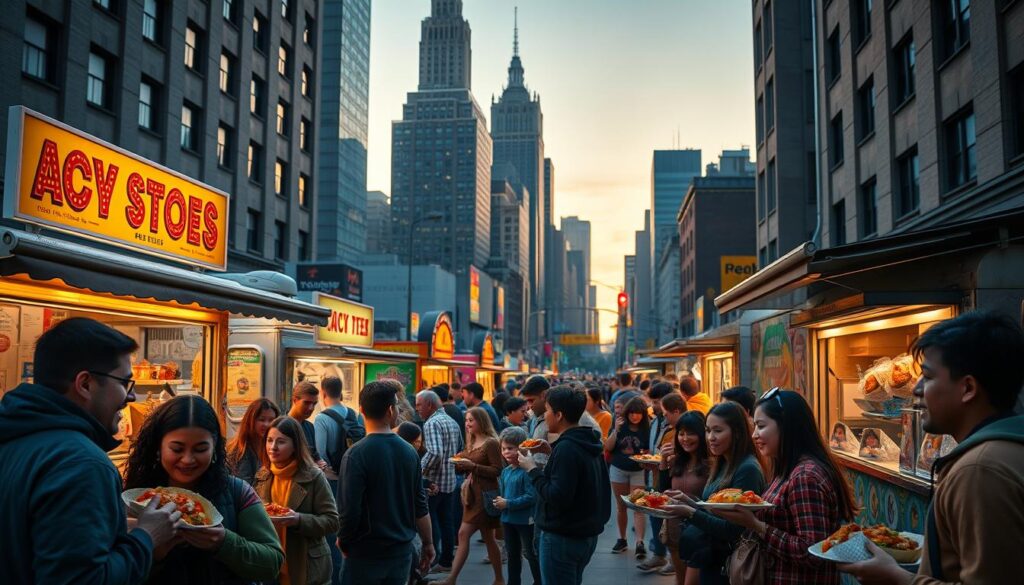
From steaming soup dumplings to foldable pizza slices, this city defines casual culinary excellence. It’s arguably the nation’s food capital, a true melting pot. Virtually every global cuisine is represented here authentically.
The Must-Have Dish and Hidden Eateries
Two dishes define the experience. A proper New York slice from spots like Williamsburg Pizza is essential. Soup dumplings from Joe’s Shanghai in Chinatown are equally iconic.
For hidden gems, venture beyond Manhattan. Try Syrena Bakery in Greenpoint for Polish pierogis. Explore Arthur Avenue in the Bronx for real Italian fare.
| Category | Recommendation | Details | Budget |
|---|---|---|---|
| Iconic Dish | New York Pizza Slice & Soup Dumplings | Williamsburg Pizza or Joe’s Shanghai | $3-12 |
| Hidden Eatery | Syrena Bakery (Greenpoint) | Authentic Polish pierogis and kielbasa | $2-5 |
| Budget Level | Outer Borough Meals | Sit-down in ethnic neighborhoods | $$ ($15-30 pp) |
| Pro Tip | Avoid Midtown Traps | Visit Chinatown weekday mornings | N/A |
Local Pro Tips for Navigating Busy Streets
Avoid Midtown tourist traps entirely. Visit Chinatown on weekday mornings for shorter lines. Grab pizza late-night when slices are freshest.
Take the subway to outer boroughs for better prices. Don’t be intimidated by no-frills settings. They often signal the most authentic spots. For a comprehensive NYC dining guide, check this resource.
Los Angeles: A Melting Pot of Culinary Diversity
Los Angeles doesn’t just serve food; it serves entire cultures on a plate. This sprawling city is America’s most diverse culinary destination. Authentic global cuisines thrive in distinct neighborhoods.
From Koreatown’s bustling grill houses to the San Gabriel Valley’s incredible Chinese restaurants, you’ll find a world of flavor. The options feel endless.
Signature Dishes and Authentic Street Eats
The signature dish here is the authentic street taco. Family-run taquerias are everywhere. Try braised meat tacos at Guisados or carne asada from El Ruso.
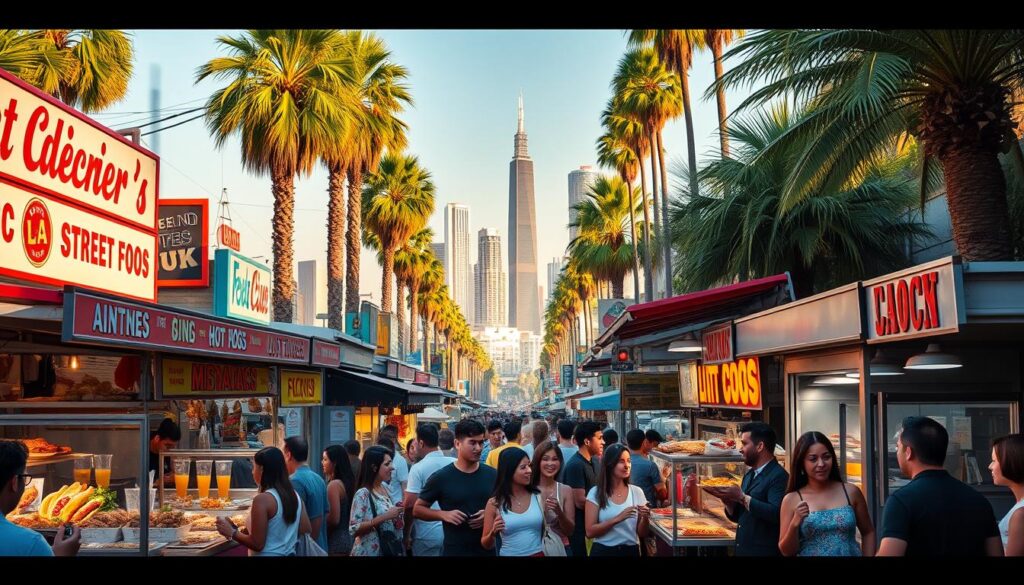
Los Angeles hosts 30% of California’s Mexican restaurants. This makes its Mexican food scene unparalleled. Fish tacos from spots like Tacos Baja are also iconic.
Finding Hidden Gems in the City’s Food Corners
The true hidden gem lies east of downtown. The San Gabriel Valley is an Asian food corridor. It rivals culinary centers in Asia.
Here, you’ll find extraordinary Szechuan cuisine at Mian. Their dan dan noodles are huge and under ten dollars. Noodle Harmony serves amazing cold mung bean noodles.
For dumplings, Mama Lu’s is a local secret. This area offers some of the most authentic Chinese food outside of China.
| Category | Recommendation | Details | Budget |
|---|---|---|---|
| The Iconic Dish | Street Tacos | Guisados, El Ruso, or Tacos Baja | $2-4 per taco |
| Best Hidden Eatery | San Gabriel Valley Restaurants | Mian, Noodle Harmony, Mama Lu’s | $10-15 per person |
| Budget Level | Neighborhood Exploration | Street food ($), SGV ($), Koreatown ($$) | $ – $$ |
| Pro Tip | Explore by Cuisine | Avoid Hollywood; ask for menus in Spanish/Mandarin | N/A |
Budget-friendly access makes this city perfect for food-focused travel. Street tacos cost just a few dollars. San Gabriel Valley restaurants offer huge portions for great value.
For a pro tip, avoid Hollywood tourist areas entirely. Explore different neighborhoods by their specialty cuisine. Visit SGV spots at lunch for fresher dishes and smaller crowds.
Follow James Beard-nominated chefs on social media for real-time picks. Always ask for recommendations in Spanish at Mexican spots. Do the same in Mandarin at Chinese restaurants to unlock the “real” menu.
San Francisco: A Culinary Mosaic of Sourdough, Seafood, and More
San Francisco’s culinary identity is woven from fog, fermentation, and a deep respect for local ingredients. This city pioneered the farm-to-table movement, a legacy that continues to shape its vibrant dining scene.
Iconic chef Alice Waters opened Chez Panisse in 1971. It changed how Americans think about seasonal cuisine.
Exploring Regional Specialties and Urban Flavors
The must-try dishes are legendary. Authentic sourdough bread from Tartine Bakery is essential. Fresh Dungeness crab enjoyed with Bay views defines the seafood experience.
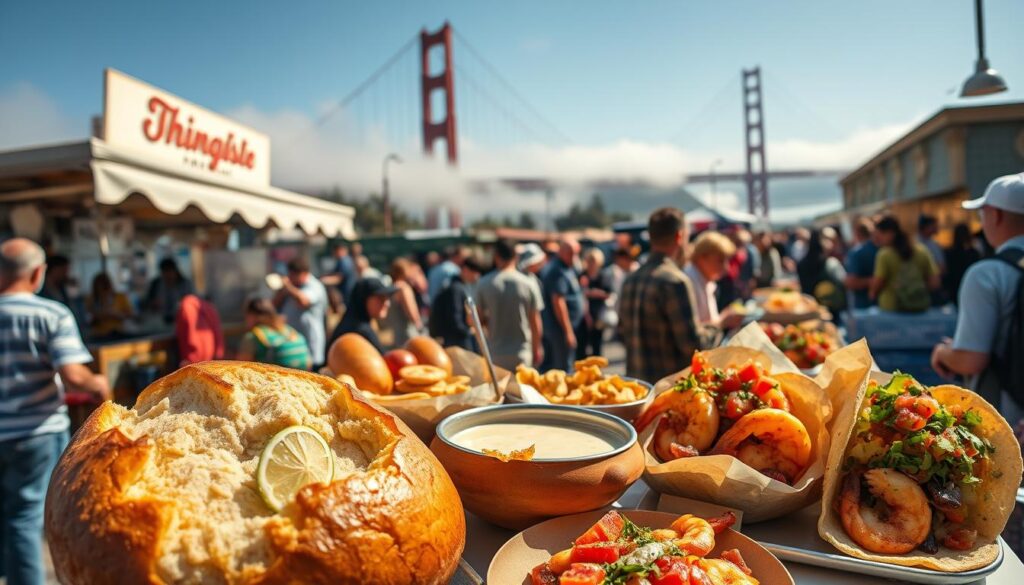
For a classic, if touristy, bite, try clam chowder in a bread bowl at Boudin Bakery. The city’s famous fog creates perfect conditions for that tangy, wild yeast flavor.
Pro Tips for Avoiding Crowds and Enjoying Deals
Use this quick guide to navigate the food landscape like a local.
| Category | Recommendation | Details | Budget Level |
|---|---|---|---|
| The Iconic Dish | Sourdough & Dungeness Crab | Tartine Bakery; Fisherman’s Wharf | $ ($4-15) |
| Best Hidden Eatery | Ferry Building Marketplace | Hog Island Oyster Co., Acme Bread | $$ ($15-25) |
| Pro Tip | Visit Weekday Mornings | Avoid Tartine’s weekend lines; layer up for microclimates | N/A |
For the best hidden gem, head to the Ferry Building Marketplace. You’ll find Hog Island shucking local oysters and Acme Bread baking artisan loaves.
Visit Tartine on a weekday morning to skip long waits. Explore the Mission District for amazing, affordable Mexican food. Book acclaimed restaurants months ahead.
The best meals honor the ingredients and the hands that prepared them.
Plan a day trip to nearby wine country. Always bring a jacket—this town gets chilly, even in summer.
A Foodie’s Guide to the USA: Top 10 Cities With the Best Street Food and Hidden
Beyond the coastal giants, America’s interior holds incredible flavor destinations waiting to be explored. This section provides detailed reviews for the remaining urban centers on our list.
In-Depth Reviews: Iconic Dishes, Eateries, and Budget Levels
We cover five essential food cities: Chicago, Portland, Seattle, New Orleans, and Milwaukee. Each city boasts unique iconic dishes and hidden eateries.
Budget levels range from $ to $$$. This caters to all types of travel plans across the country.
Utilizing a Quick Reference Comparison Table
The table below offers a quick reference for trip planning. It highlights must-try dishes, top neighborhoods, and average meal prices.
| City | Famous Dish | Best Neighborhood for Foodies | Average Meal Price |
|---|---|---|---|
| Chicago | Deep-dish pizza at Pequod’s | West Loop | $15-25 |
| Portland, OR | Food cart fusion dishes | Southeast Portland | $10-20 |
| Seattle | Beecher’s Mac & Cheese | Pike Place Market area | $12-22 |
| New Orleans | Po’boy at Sammy’s | French Quarter | $10-18 |
| Milwaukee | Butter burger at Solly’s | East Side | $8-15 |
This guide helps you plan a food-focused journey. Discover places locals love and enjoy authentic meals. It’s your key to these amazing culinary destinations.
Midwest Culinary Adventures: From Chicago’s Pizza to Milwaukee’s Comfort Fare
In the heartland, food is about substance, tradition, and soul-warming satisfaction. This region is America’s comfort food heartland. Hearty, no-frills cuisine reflects working-class roots and agricultural abundance. Cities like Chicago and Milwaukee offer dishes that have remained perfect for generations.
Exploring Deep Dish and Local Street Delicacies
Chicago’s iconic deep-dish isn’t just pizza. It’s a knife-and-fork casserole with buttery crust, layers of mozzarella, and chunky tomato sauce. Try Pequod’s for its famous caramelized crust or Lou Malnati’s for the classic version. A personal pie costs around $9.
Other essential street eats come from beloved restaurants like Portillo’s. Their Italian beef sandwich features thin-sliced roast beef dipped in savory au jus. The Chicago-style hot dog, never with ketchup, is a loaded masterpiece. For dessert, the historic Rainbow Cone ice cream shop serves a five-flavor stack for just $4.
Street Eats That Define Midwest Flavor
Milwaukee’s scene centers on classic Wisconsin fare. The Friday fish fry is a cherished state tradition. You’ll ‘ll find beer-battered cod with potato pancakes and coleslaw.
Squeaky fresh cheese curds, butter burgers, and local bratwurst are staples. Neighborhood spots like Oscars Pub and Grill deliver these comforts. Meals here are incredibly budget-friendly, often under $20 per person.
| City | Iconic Dish | Top Spot | Budget Level |
|---|---|---|---|
| Chicago | Deep-Dish Pizza | Pequod’s Pizza | $9-21 (personal-large) |
| Milwaukee | Friday Fish Fry | Oscars Pub & Grill | $10-20 per person |
Pro Tips: Visit Chicago deep-dish spots for lunch to avoid dinner waits. Experience Milwaukee’s fish fry on Friday evenings. Explore Chicago neighborhoods beyond downtown—Pilsen for Mexican, Argyle for Vietnamese.
Don’t overlook the high-end dining either. This city boasts over 50 James Beard winners and Michelin-starred restaurants like Alinea.
New Orleans: A Celebration of Creole and Cajun Street Food Culture
No other American city offers a culinary heritage as rich and singular as New Orleans. Centuries of French, Spanish, African, and Caribbean fusion created Creole and Cajun cuisines found nowhere else. This makes it an absolute must for understanding regional American cooking.
Signature Creole Dishes and Unique Local Spots
Essential street dishes define the experience. Sink your teeth into a loaded po’boy from Domilise’s or Parkway Bakery. Enjoy pillowy beignets at the iconic, 24-hour Café du Monde.
For a proper bowl of gumbo, visit the Gumbo Shop. Seek hidden gems like Verti Marte for incredible muffulettas. Seafood lovers should head to Pêche for wood-fired Gulf catches.
Here’s a quick budget guide for planning your day.
| Dish / Experience | Recommended Spot | Budget Level |
|---|---|---|
| Po’boy Sandwich | Parkway Bakery & Tavern | $ ($10-15) |
| Beignets (3 pc) | Café du Monde | $ ($3-5) |
| Gumbo / Jambalaya | Gumbo Shop or Mother’s | $$ ($12-18) |
| Upscale Creole Dining | Commander’s Palace | $$$ ($75-150+) |
Insider Secrets on When to Visit and What to Order
Avoid Bourbon Street tourist traps entirely. Locals never eat there. Visit during spring or fall for pleasant weather and thinner crowds.
Make reservations well in advance for acclaimed restaurants. Embrace the cocktail culture with a proper sazerac at The Sazerac Bar.
In spring and summer, seek spots hosting crawfish boils. Always pair your meal with live jazz at venues like Snug Harbour. This way, food and music unite, defining the magical scene.
West Coast Wonders Beyond LA: Portland and Seattle’s Hidden Culinary Spots
Venture north along the Pacific Coast, and you’ll discover a culinary ethos defined by rain, creativity, and incredible local bounty. Portland and Seattle form the Pacific Northwest’s dynamic food duo.
These cities punch above their weight with innovative, sustainability-focused scenes. They emphasize quality ingredients and craft beverages over pretension.
Iconic Brews, Donuts, and Fusion Street Food
Portland’s eclectic street food landscape is dominated by 500+ carts in permanent “pods.” You’ll find Korean-Mexican fusion tacos and Hat Yai’s legendary Thai fried chicken. Most meals cost just $8 to $15.
Other essential experiences include Voodoo Doughnut’s quirky bacon-maple bars. Stumptown Coffee Roasters pioneered third-wave coffee culture here. The city also boasts a world-class craft beer scene and nearby Willamette Valley wine country.
Seattle’s food identity centers on the bustling Pike Place Market. Beecher’s Handmade Cheese serves its legendary “World’s Best” mac and cheese for $16.50. Chowder bowls compete for the title, costing $8 to $11.
Don’t miss the uniquely Seattle Dog—a hot dog with cream cheese and onions for about $5. The city also has a strong craft beer and fresh seafood scene.
| City | Iconic Dish | Hidden Eatery / Experience | Budget Tip |
|---|---|---|---|
| Portland | Food Cart Fusion & Thai Fried Chicken | Eastside neighborhoods for restaurants like Han Oak | Meals at carts are $8-15; explore pods |
| Seattle | Beecher’s Mac & Cheese & Seattle Dog | Starbucks Reserve Roastery over the original | Market chowder is $8-11; Seattle Dog ~$5 |
Local Tips for Exploring Off-the-Beaten-Path Eateries
Skip the tourist-trap line at the “original” Starbucks in Seattle. Visit the Starbucks Reserve Roastery for a true coffee experience instead.
Explore Portland’s Eastside neighborhoods like Division and Alberta. The best restaurants cluster there. Visit Pike Place Market early in the morning when chefs shop and crowds are thin.
Take advantage of the region’s James Beard Award-winning chefs. They often run surprisingly casual spots. Remember both cities embrace casual dress codes—jeans are fine anywhere.
Conclusion
Exploring these ten destinations reveals that great eating is less about prestige and more about passion and place. America’s most memorable food experiences happen at bustling street corners and humble family-run spots.
Our list highlights incredible diversity. Think New York‘s iconic pizza, Los Angeles‘ taco trucks, and San Francisco‘s sourdough. Most meals cost under $15, making food-focused travel wonderfully accessible.
Venture beyond the famous cities. Emerging food cities offer authentic encounters with fewer crowds. Your visit supports local economies and creates genuine cultural exchange.
Start planning your culinary journey now. Pack stretchy pants, follow where locals queue, and taste the real America one delicious bite at a time. Every hungry foodie can find their perfect feast.