From towering granite cliffs and ancient redwood forests to otherworldly geothermal features and dramatic canyons, America’s national parks showcase nature’s most spectacular masterpieces. These protected wilderness areas represent the country’s greatest natural treasures, preserving landscapes that inspire awe and adventure. Whether you’re planning your next outdoor expedition or simply dreaming of future travels, these ten stunning national parks deserve a prominent place on your bucket list. Each offers unique experiences, breathtaking vistas, and unforgettable encounters with the wild heart of America.
1. Yellowstone National Park, Wyoming
Must-See Attractions
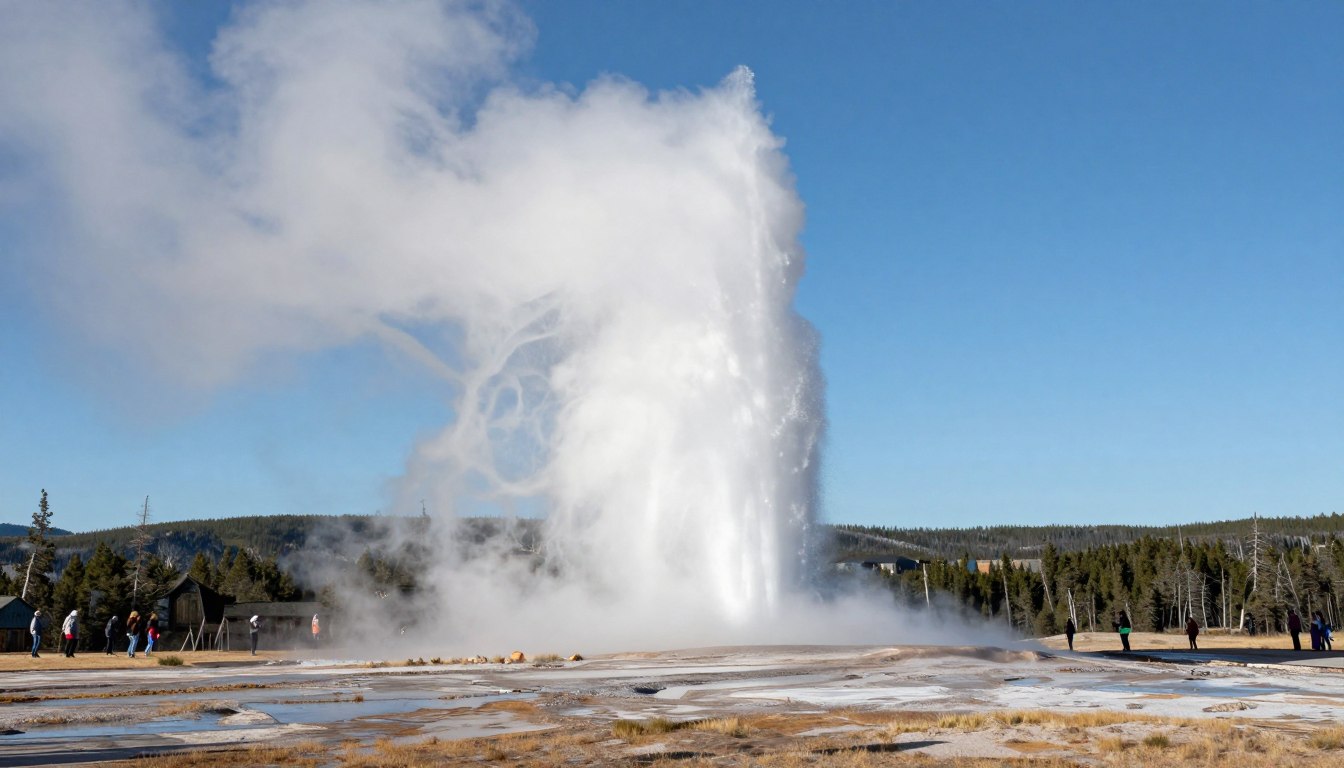
As America’s first national park, Yellowstone offers an unparalleled concentration of geothermal wonders and wildlife viewing opportunities. Old Faithful, the park’s most famous geyser, erupts approximately every 90 minutes, shooting thousands of gallons of boiling water up to 185 feet into the air. The Grand Prismatic Spring, with its vivid rainbow colors created by heat-loving bacteria, appears almost otherworldly. Don’t miss the Grand Canyon of the Yellowstone, where the Yellowstone River plunges over two spectacular waterfalls, creating a dramatic gorge painted in vibrant yellows and reds.
Best Hiking Trails
- Mount Washburn Trail (6.2 miles round-trip): Offers panoramic views of the park and potential wildlife sightings
- Fairy Falls Trail (5 miles round-trip): Leads to a 200-foot waterfall and provides an elevated view of Grand Prismatic Spring
- Mystic Falls Loop (3.5 miles): Features a beautiful waterfall and geothermal features with moderate elevation gain
- Storm Point Trail (2.3 miles): An easy lakeside hike with excellent wildlife viewing opportunities
Ideal Visiting Seasons
Summer (June-August) offers the most accessible experience with all roads and facilities open, though crowds are at their peak. For fewer visitors while still enjoying good weather, consider May or September. Winter transforms Yellowstone into a snow-covered wonderland, with opportunities for snowshoeing, cross-country skiing, and unique wildlife viewing, though access is limited to snowmobiles and snow coaches in many areas.
2. Grand Canyon National Park, Arizona
Must-See Attractions
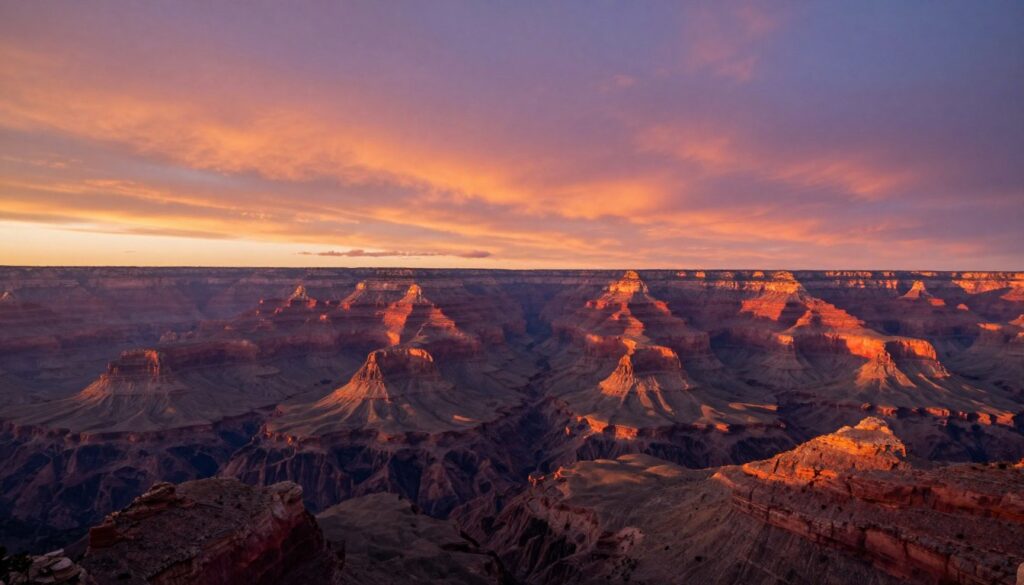
The Grand Canyon defies description – this colossal chasm stretches 277 miles long, up to 18 miles wide, and over a mile deep. The South Rim offers the most accessible viewpoints, including Mather Point, Yavapai Observation Station, and Desert View Watchtower. For a more remote experience, the North Rim (open May-October) provides equally stunning vistas with significantly fewer crowds. Watching the sunrise or sunset from either rim is an essential experience, as the changing light transforms the canyon walls into a kaleidoscope of colors.
Best Hiking Trails
- Bright Angel Trail: The park’s most popular trail offers shade, water stations, and spectacular views
- South Kaibab Trail: Steeper but less crowded with panoramic vistas at Ooh Aah Point and Skeleton Point
- Rim Trail: An easy, mostly paved path along the South Rim with numerous viewpoints
- North Kaibab Trail: The only maintained trail into the canyon from the North Rim
Ideal Visiting Seasons
Spring (March-May) and fall (September-November) offer ideal temperatures for hiking and exploring, with fewer crowds than summer. Summer brings intense heat in the canyon bottom (often exceeding 100°F), making hiking dangerous during midday. Winter provides a unique, serene experience on the South Rim with possible snow, while the North Rim closes from mid-October to mid-May due to heavy snowfall.
3. Yosemite National Park, California
Must-See Attractions
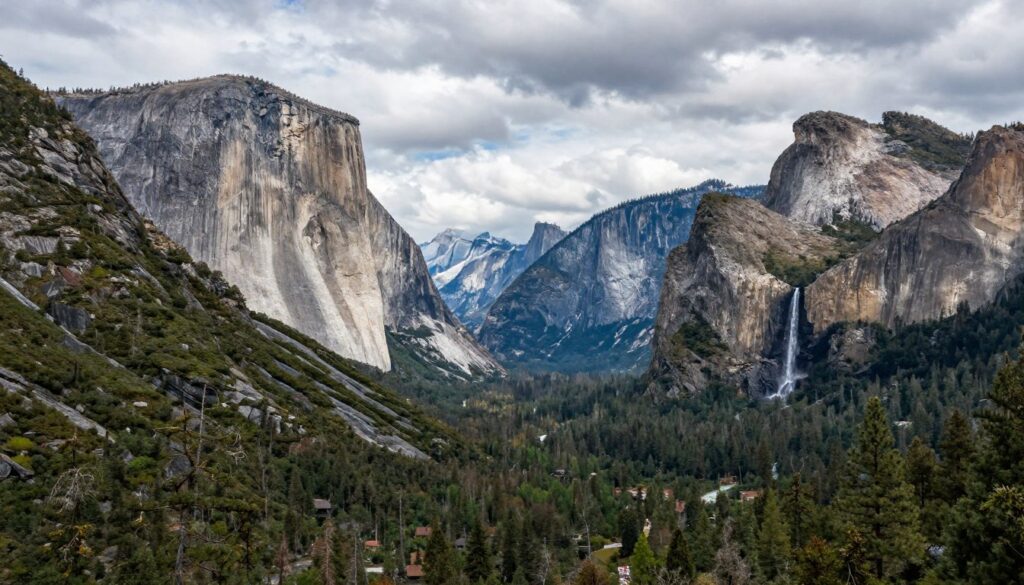
Yosemite Valley forms the heart of this iconic park, where towering granite monoliths, cascading waterfalls, and ancient sequoias create an unforgettable landscape. El Capitan and Half Dome rise dramatically from the valley floor, challenging rock climbers from around the world. Yosemite Falls, North America’s tallest waterfall at 2,425 feet, thunders most impressively in spring. Tunnel View provides the classic panorama of the valley, while Glacier Point offers sweeping vistas from above. Don’t miss the giant sequoias in Mariposa Grove, some over 2,000 years old.
Best Hiking Trails
- Mist Trail (3-7 miles): Takes you alongside Vernal and Nevada Falls with refreshing mist in spring and early summer
- Half Dome (14-16 miles): A challenging day hike requiring permits to ascend the cables to the summit
- Sentinel Dome and Taft Point Loop (5 miles): Offers incredible views with moderate effort
- Mirror Lake Loop (2-5 miles): An easy trail with reflective views of Half Dome when water levels are right
Ideal Visiting Seasons
Late spring (May-June) showcases peak waterfall flow and blooming wildflowers. Summer brings warm temperatures and access to the high country, though with substantial crowds. Fall offers pleasant temperatures and fewer visitors, while winter transforms the valley into a quiet wonderland, though many high-elevation roads close due to snow.
Essential Gear: Osprey Atmos AG 65 Hiking Backpack

After exploring the magnificent trails of Yellowstone, Grand Canyon, and Yosemite, it’s clear that a reliable hiking backpack is essential for any national park adventure. The Osprey Atmos AG 65 features an innovative Anti-Gravity suspension system that makes heavy loads feel lighter—perfect for carrying water, snacks, and extra layers on longer hikes like Yosemite’s Half Dome or Grand Canyon’s Bright Angel Trail. With multiple access points, integrated rain cover, and adjustable fit, this pack has become a favorite among serious hikers tackling America’s most stunning landscapes.
4. Zion National Park, Utah
Must-See Attractions
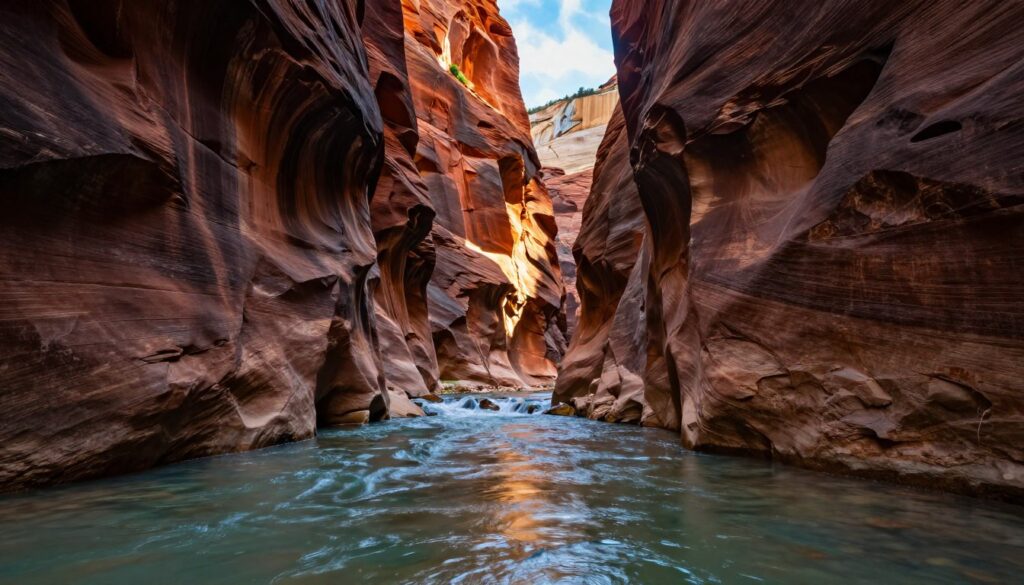
Zion’s massive sandstone cliffs, colored in shades of cream, pink, and red, rise thousands of feet above the lush valley floor. The Narrows, where the Virgin River has carved a spectacular gorge with walls a thousand feet tall and the river sometimes just twenty feet wide, offers one of the park’s most unique experiences. Angels Landing provides thrill-seekers with a challenging trail to breathtaking views. Emerald Pools presents a desert oasis of clear, spring-fed pools and waterfalls, while the Kolob Canyons section offers a less-visited but equally stunning landscape of finger canyons and crimson cliffs.
Best Hiking Trails
- The Narrows (up to 16 miles): Wade through the Virgin River between towering canyon walls
- Angels Landing (5.4 miles): A challenging trail with chain-assisted sections leading to panoramic views
- Observation Point (8 miles): Higher than Angels Landing with equally spectacular vistas
- Emerald Pools (1.2-3 miles): A family-friendly trail to serene pools and waterfalls
Ideal Visiting Seasons
Spring (April-May) and fall (September-October) offer ideal temperatures and fewer crowds. Summer brings hot temperatures but allows for water activities in the Virgin River. Winter provides a unique perspective with possible snow dusting the red rocks, though some trails may be icy and The Narrows often closes due to high water levels.
5. Glacier National Park, Montana
Must-See Attractions
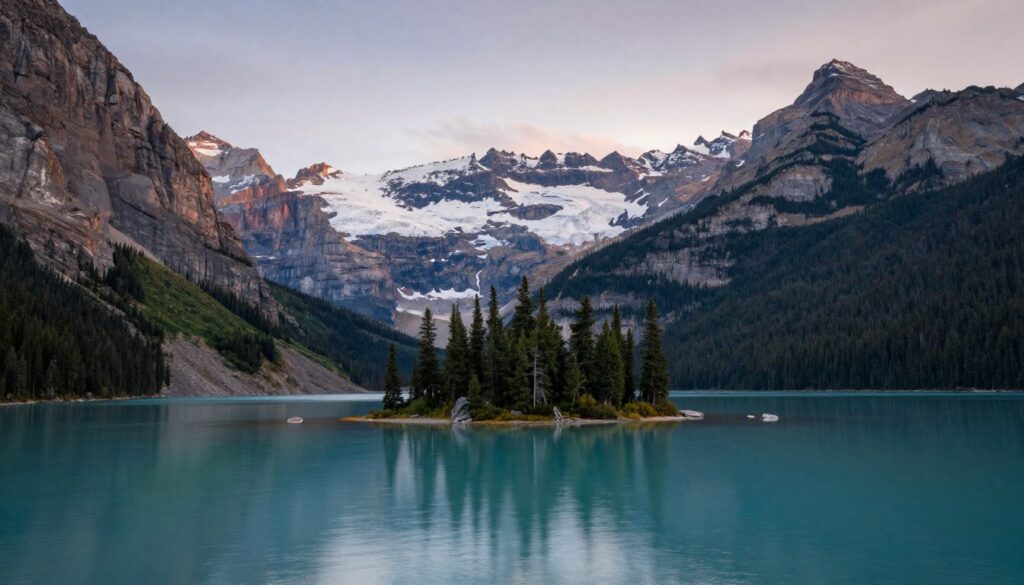
Known as the “Crown of the Continent,” Glacier National Park encompasses over a million acres of pristine wilderness, alpine meadows, rugged mountains, and glacial-carved valleys. The Going-to-the-Sun Road, a 50-mile engineering marvel that crosses the Continental Divide, provides access to some of the park’s most spectacular scenery. Many Glacier, often called the heart of the park, offers abundant wildlife viewing and access to stunning alpine lakes. Logan Pass, the highest point on the Going-to-the-Sun Road, serves as a trailhead for some of the park’s most scenic hikes, including the Hidden Lake Overlook and Highline Trail.
Best Hiking Trails
- Highline Trail (11.8 miles one-way): A spectacular ridge trail with constant views and wildlife sightings
- Grinnell Glacier (7.6 miles): Leads to one of the park’s most accessible glaciers with stunning turquoise lakes along the way
- Hidden Lake Overlook (2.7 miles): A relatively easy trail from Logan Pass to a picture-perfect alpine lake
- Iceberg Lake (9.7 miles): Rewards hikers with a basin lake often filled with floating ice chunks even in summer
Ideal Visiting Seasons
Mid-June through mid-September offers the most reliable access, with the Going-to-the-Sun Road typically fully open from late June to mid-September, depending on snowfall. July and August provide the warmest temperatures and wildflower displays, though with peak crowds. September offers fewer visitors and beautiful fall colors, while winter transforms the park into a quiet wonderland accessible primarily by cross-country skiing or snowshoeing.
6. Grand Teton National Park, Wyoming
Must-See Attractions
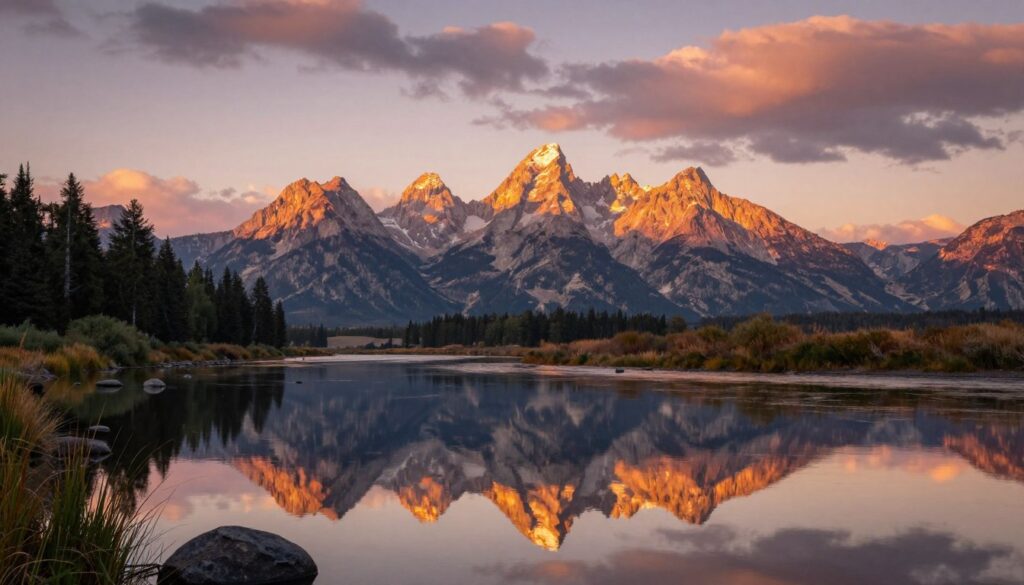
The Teton Range rises dramatically from the valley floor without foothills, creating one of the most striking mountain landscapes in North America. The 40-mile long mountain range includes Grand Teton, which towers at 13,775 feet. Jenny Lake, a crystal-clear glacial lake at the base of the mountains, serves as a hub for many of the park’s most popular activities. Mormon Row Historic District features preserved homesteads against the backdrop of the Tetons, creating one of the park’s most photographed scenes. Wildlife viewing is exceptional, with moose, elk, bison, bears, and eagles frequently spotted throughout the park.
Best Hiking Trails
- Cascade Canyon (9-14.6 miles): Begins with a boat ride across Jenny Lake and leads into a spectacular glacier-carved canyon
- Delta Lake (7 miles): An unmarked but popular trail to a stunning turquoise alpine lake
- Taggart and Bradley Lakes Loop (6 miles): A moderate hike to two beautiful lakes with mountain reflections
- String Lake Loop (3.8 miles): An easy trail with mountain views and wildlife viewing opportunities
Ideal Visiting Seasons
Summer (June-August) offers warm temperatures and access to all areas of the park, though with significant crowds. September and early October bring fall colors and fewer visitors, while still maintaining relatively good weather. Winter transforms the park into a quiet snow-covered landscape, perfect for cross-country skiing and snowshoeing, with the added benefit of enhanced wildlife viewing against the white backdrop.
Essential Gear: MSR Hubba Hubba NX 2-Person Tent
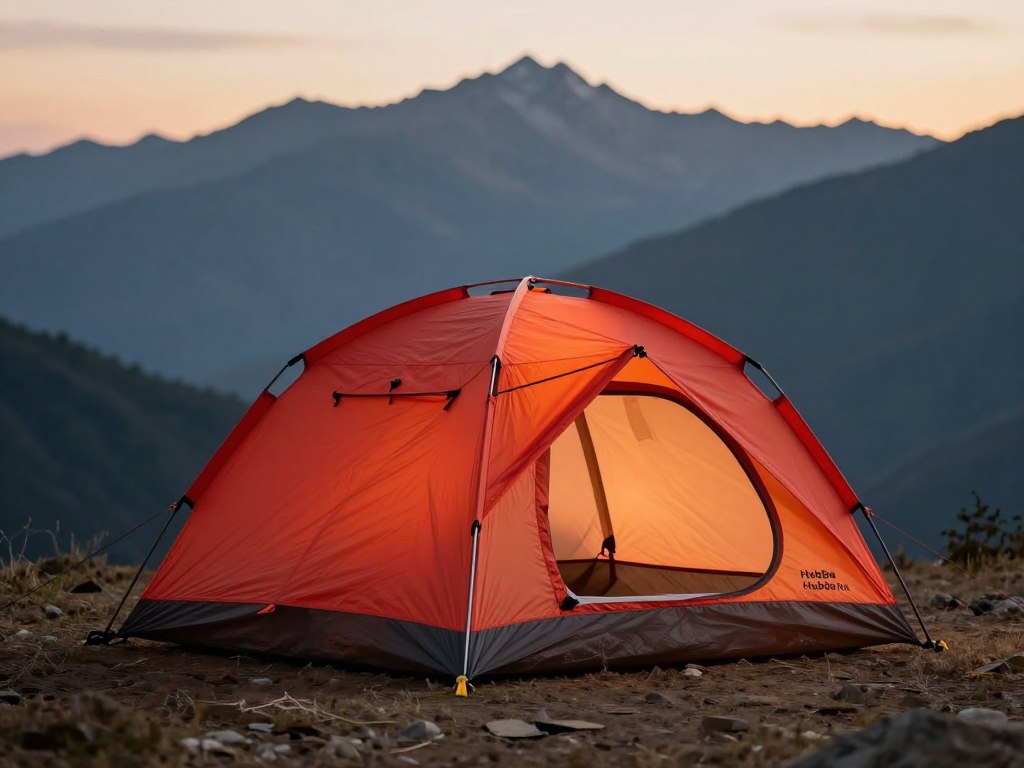
After exploring the alpine meadows of Glacier National Park and the dramatic landscapes of Grand Teton, you’ll want to extend your adventure by camping under the stars. The MSR Hubba Hubba NX 2-Person Tent is a favorite among national park enthusiasts for its perfect balance of lightweight design (just 3.5 lbs) and durability in various weather conditions. With quick setup, excellent ventilation, and two doors for easy access, this tent provides a comfortable basecamp for exploring America’s most stunning wilderness areas. Its freestanding design works well on the varied terrain you’ll encounter throughout the national park system.
7. Olympic National Park, Washington
Must-See Attractions
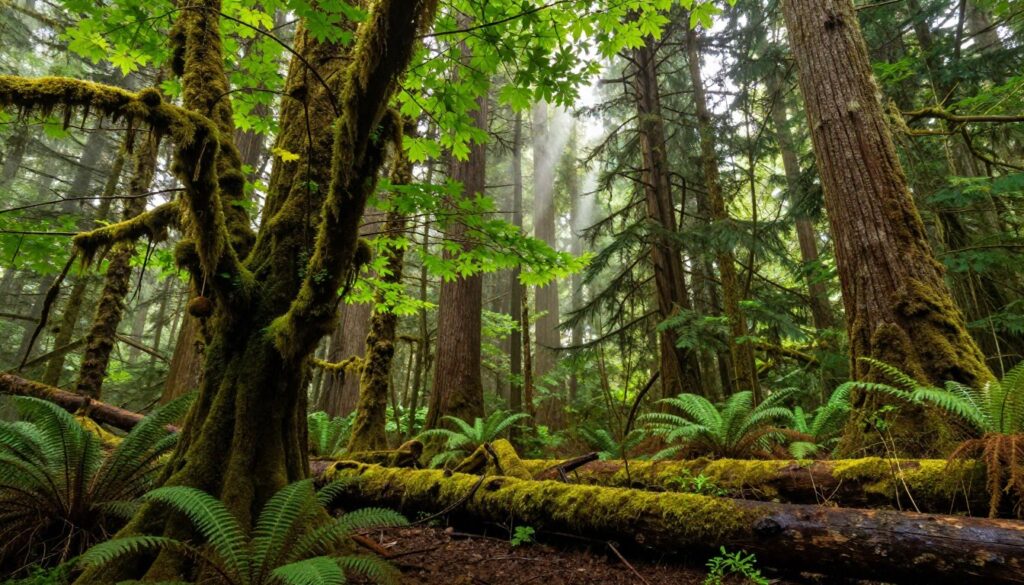
Olympic National Park encompasses three distinct ecosystems: the rugged Pacific coastline, temperate rainforest valleys, and alpine meadows and glaciated peaks. The Hoh Rain Forest receives up to 14 feet of rainfall annually, creating a lush, moss-draped landscape that feels otherworldly. Hurricane Ridge provides accessible alpine views and wildflower meadows in summer. Ruby Beach and Rialto Beach feature dramatic sea stacks, tide pools, and driftwood-strewn shores. Lake Crescent, a deep glacially-carved lake with exceptionally clear blue waters, offers opportunities for kayaking, swimming, and hiking to Marymere Falls.
Best Hiking Trails
- Hall of Mosses (0.8 mile): An easy loop through the heart of the Hoh Rain Forest
- Hurricane Hill (3.2 miles): A moderate trail with panoramic views of the Olympic Mountains and Strait of Juan de Fuca
- Hoh River Trail (17.4 miles one-way): Follows the Hoh River through rainforest to the base of Mount Olympus
- Shi Shi Beach and Point of Arches (8 miles): A coastal hike to one of the most scenic beaches in the Pacific Northwest
Ideal Visiting Seasons
Summer (July-September) offers the driest weather and access to the high country, though coastal areas often remain foggy. Spring and fall bring fewer crowds and lush conditions in the rainforests, with fall colors adding vibrancy in October. Winter is mild in the rainforests and along the coast, though Hurricane Ridge receives significant snowfall, creating opportunities for skiing and snowshoeing.
8. Arches National Park, Utah
Must-See Attractions
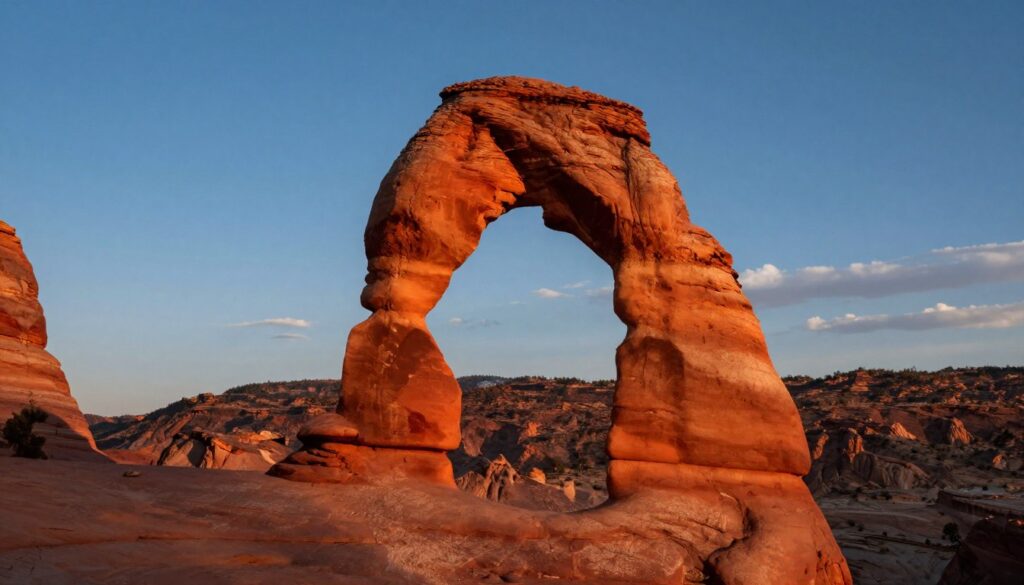
Arches National Park contains over 2,000 natural stone arches, the highest concentration found anywhere in the world. Delicate Arch, perhaps the most famous, stands 60 feet tall and has become an icon of the American Southwest. The Windows Section features easily accessible arches, including North and South Windows and Turret Arch. Landscape Arch, with a span of 306 feet, is one of the longest natural stone arches in the world. Balanced Rock, a 128-foot tall formation with a massive boulder perched atop a narrow pedestal, creates a striking silhouette against the desert sky.
Best Hiking Trails
- Delicate Arch Trail (3 miles): A moderately strenuous hike to Utah’s most famous arch
- Devils Garden Loop (7.2 miles): Passes eight major arches, including Landscape Arch
- The Windows Loop (1 mile): An easy trail through a high concentration of large arches
- Park Avenue (2 miles): A relatively flat trail through towering sandstone walls
Ideal Visiting Seasons
Spring (April-May) and fall (September-October) offer pleasant temperatures ideal for hiking. Summer brings intense heat, with temperatures frequently exceeding 100°F, making early morning or evening exploration essential. Winter provides a unique perspective with occasional snow dusting the red rocks, dramatically fewer visitors, and comfortable daytime hiking temperatures, though nights can be below freezing.
9. Redwood National and State Parks, California
Must-See Attractions
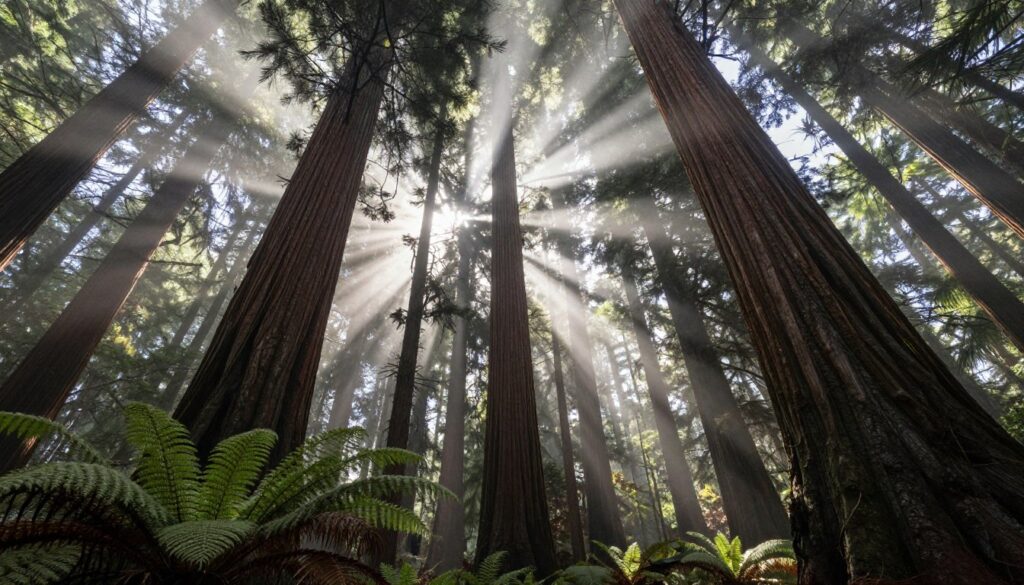
Redwood National and State Parks protect 45% of the remaining old-growth redwood forests in the world. These coast redwoods are the tallest trees on Earth, with some exceeding 370 feet in height and 2,000 years in age. Lady Bird Johnson Grove offers an accessible introduction to the redwood ecosystem via a 1.4-mile loop trail. Fern Canyon features 50-foot walls draped in lush ferns, creating a prehistoric-feeling environment that served as a filming location for “Jurassic Park 2.” The Newton B. Drury Scenic Parkway winds through old-growth forest, offering roadside access to impressive trees. The park also includes 40 miles of pristine coastline, with Gold Bluffs Beach providing opportunities to spot Roosevelt elk grazing near the shore.
Best Hiking Trails
- Boy Scout Tree Trail (5.3 miles): A less-traveled trail through magnificent old-growth forest
- James Irvine Trail to Fern Canyon (10 miles): Traverses diverse ecosystems from redwoods to coastal prairie
- Tall Trees Grove (3.3 miles): Requires a free permit but leads to some of the tallest trees in the world
- Stout Grove Loop (0.6 mile): A short but spectacular walk through a cathedral-like grove
Ideal Visiting Seasons
Summer brings warmer temperatures and less rainfall, though morning fog is common. Fall offers pleasant weather with fewer crowds. Winter is the rainy season, creating lush conditions and bringing the forest to life, though some trails may be muddy. Spring features wildflowers and moderate rainfall, with increasingly dry conditions as summer approaches.
10. Rocky Mountain National Park, Colorado
Must-See Attractions
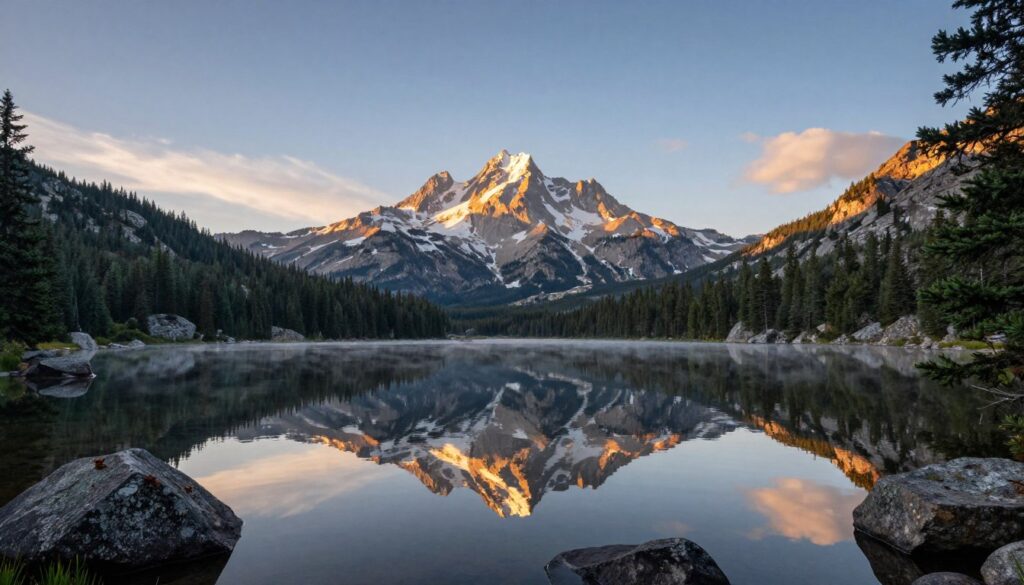
Rocky Mountain National Park features 415 square miles of spectacular mountain environments, with elevations ranging from 7,860 to 14,259 feet. Trail Ridge Road, the highest continuous paved road in the United States, crests at over 12,000 feet and offers expansive alpine views. Bear Lake serves as a hub for several popular hiking trails and provides a stunning reflection of Hallett Peak. The park contains 147 lakes, 450 miles of streams, and more than 60 peaks over 12,000 feet. Abundant wildlife includes elk, moose, bighorn sheep, and marmots, with elk rutting season in fall providing one of the park’s most dramatic wildlife displays.
Best Hiking Trails
- Emerald Lake Trail (3.6 miles): Passes three beautiful alpine lakes with mountain backdrops
- Sky Pond via Glacier Gorge (9.4 miles): A challenging trail to a stunning alpine lake surrounded by spires
- Chasm Lake (8.4 miles): Leads to a pristine lake at the base of Longs Peak
- Alpine Ridge Trail (0.6 mile): A short but steep trail from Alpine Visitor Center with panoramic tundra views
Ideal Visiting Seasons
Summer (June-August) provides access to the entire park, with wildflowers peaking in July and afternoon thunderstorms common. Fall brings spectacular elk rutting activity and golden aspen displays, particularly in late September. Winter offers a serene snow-covered landscape ideal for snowshoeing and cross-country skiing, though Trail Ridge Road closes. Spring brings gradual melting at lower elevations, with high country remaining snow-covered until June.
Essential Gear: Salomon X Ultra 3 Mid GTX Hiking Boots
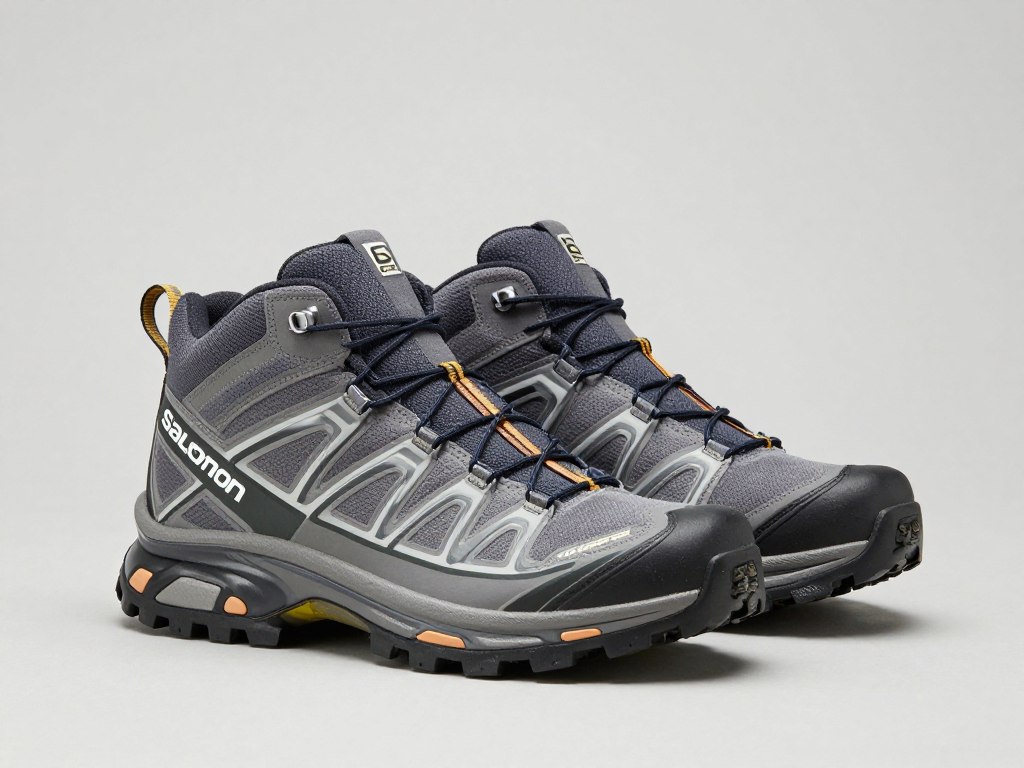
After exploring America’s 10 most stunning national parks, from the geothermal wonders of Yellowstone to the alpine meadows of Rocky Mountain National Park, proper footwear proves essential for every adventure. The Salomon X Ultra 3 Mid GTX Hiking Boots offer the perfect combination of support, traction, and waterproof protection needed for diverse terrains. These versatile boots perform exceptionally well on rocky trails like Angels Landing in Zion, muddy paths through Olympic’s rainforests, and everything in between. With Gore-Tex waterproofing and excellent ankle support, they’ll keep your feet comfortable and protected whether you’re traversing Grand Canyon’s steep descents or navigating Redwood’s fern-covered forest floors.
Planning Your National Park Adventures
America’s national parks offer some of the most spectacular landscapes on Earth, each with its own unique character and natural wonders. From the geothermal features of Yellowstone to the towering redwoods of California, these protected areas showcase the incredible diversity of the American wilderness. When planning your visits, consider the ideal seasons for each park, prepare for varying weather conditions, and always practice Leave No Trace principles to help preserve these treasures for future generations.
Whether you’re a seasoned hiker looking to tackle challenging trails or a casual visitor seeking accessible viewpoints, these ten stunning national parks provide unforgettable experiences for everyone. With proper planning and the right gear, your national park adventures will create memories to last a lifetime. The natural beauty preserved within these park boundaries represents America at its most magnificent—wild, diverse, and awe-inspiring.